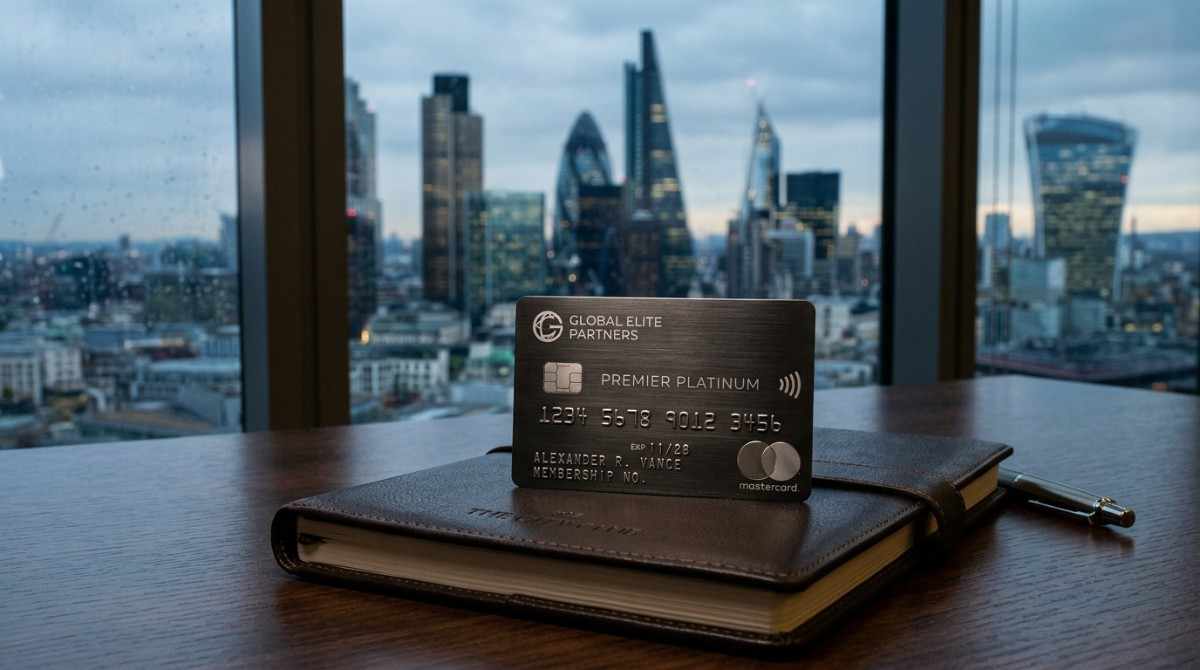
For the modern UK entrepreneur, every pound leaving the business account should be working just as hard as the pound coming in. In the fast-paced 2026 commercial environment, business expenses—from cloud subscriptions and digital marketing spend to travel and office utilities—represent a significant untapped asset. A well-chosen business rewards credit card transforms these necessary outgoings into tangible benefits, such as travel upgrades, cash rebates, or enhanced interest-free periods. However, the UK market is distinct, and what works for a freelancer may not scale for a growing limited company.
Navigating the landscape of UK commercial credit requires a strategic eye. With specialized offerings from established "High Street" giants like HSBC and Barclays, alongside the aggressive rewards programs of American Express UK and fintech disruptors, the choice can be overwhelming. The primary challenge for directors is balancing the allure of "points" against the reality of annual fees, foreign transaction charges, and interest rates. This guide provides a comprehensive analysis of the UK rewards market, helping you align your corporate spend with your long-term business goals.
Cashback vs. Avios: Which Rewards Program Scales Your Business?
The first decision any UK business owner must make is the type of reward that provides the most utility. In 2026, the market remains split between two primary philosophies: the immediate liquidity of cashback and the aspirational value of travel points, specifically Avios.
The Case for Cashback
Cashback is the ultimate "no-fuss" reward. For businesses with tight margins or those that do not require frequent international travel, a flat-rate cashback card—often ranging from 0.5% to 1.5%—provides a direct reduction in operating costs. When you pay your monthly digital advertising bill or settle an invoice with a supplier, a portion of that money simply returns to your account. This is particularly effective for UK SMEs that handle significant domestic spend and want to see an immediate impact on their bottom line without managing complex points systems.
The Power of Avios and Travel Points

For directors who travel for client meetings or those who wish to subsidize employee perks, Avios-earning cards remain a dominant force. In the UK, the British Airways American Express Accelerator allows businesses to accumulate points that can be redeemed for flights, cabin upgrades, and hotel stays. When managed correctly, the "value per point" can often exceed the value of a standard cashback rebate, especially for long-haul business class travel. (If your firm is also optimizing US-based liquidity, see our US High-Yield Business Savings guide for international capital management.)
How to Manage Employee Spending with Corporate Card Integration
As a business grows, the ability to issue supplementary cards to team members becomes a vital operational requirement. In 2026, the best UK business cards offer more than just credit; they provide a sophisticated expense management layer.
Real-Time Control and Visibility
Modern cards from providers like Barclaycard Business allow directors to set individual spending limits for each employee and receive real-time notifications via mobile apps. This eliminates the "end-of-month surprise" when reconciling expenses. Furthermore, digital integration with platforms like Xero and Sage means that every transaction is automatically categorized, reducing the administrative burden on your accounting team and ensuring that VAT can be reclaimed accurately and efficiently.
Mitigating Risk and Fraud
Employee cards also offer a layer of security that personal reimbursements cannot match. By using corporate cards, the business retains control over the funds and can instantly freeze a card if suspicious activity is detected or if an employee leaves the firm. This centralized control is a cornerstone of professional risk management for UK companies handling diverse procurement needs.
Top UK Business Cards with 0% Interest on Purchases
For many UK startups, the primary goal is not rewards, but "cash flow smoothing." A 0% interest period on new purchases can act as an interest-free short-term loan, allowing a business to buy inventory or invest in equipment today and pay it back over several months without incurring finance charges. (Strategic borrowing is key; explore our Commercial Credit Lines guide for more robust financing options.)
Strategic Use of Interest-Free Windows
Several UK lenders offer introductory periods of 6 to 12 months at 0% interest. This is a powerful tool for managing seasonal fluctuations. For example, a retail business can stock up for the Q4 holiday rush in September and settle the balance in January using the holiday profits. The key to this strategy is discipline; the balance must be cleared before the introductory period ends and the standard APR (which can often exceed 25%) kicks in.
Navigating Annual Fees and Foreign Transaction Charges
The "true cost" of a rewards card is often hidden in its fee structure. For a rewards program to be profitable, the value of the rewards earned must exceed the annual fee and any associated transaction costs.
The Annual Fee Trade-off
Premium cards, such as the American Express Business Platinum, carry significant annual fees, sometimes exceeding £600. While this may seem steep, it often includes lounge access, comprehensive travel insurance, and higher earn rates that can outweigh the cost for a high-spending firm. Conversely, for a small consultancy with minimal overhead, a "no-fee" card is almost always the more logical choice.
The "FX" Trap for Global Businesses
Many UK-issued cards charge a foreign transaction (FX) fee of around 2.99% on any spend not in Pound Sterling. If your business regularly pays for software in US Dollars or imports goods from the EU, these fees can quickly negate any rewards earned. In 2026, savvy UK directors are increasingly looking for "No-FX" business cards or using fintech alternatives like Revolut Business alongside their primary rewards card to minimize these costs.
Common Mistakes in Business Credit Management
Even the most advantageous rewards program can become a liability if managed poorly.
- Mixing Personal and Business Spend: This is a common pitfall for UK sole traders. Not only does it make accounting a nightmare, but it can also complicate your tax filings with HMRC. Always keep a dedicated line of credit for business purposes only.
- Chasing Rewards over Rates: Never carry a balance on a rewards card just to earn points. The interest charges on commercial credit cards are almost always higher than the value of the rewards. These cards should be used as a payment tool, not a long-term borrowing tool.
- Ignoring the Credit Score Impact: Every application for a business credit card involves a "hard pull" on your credit report. Multiple applications in a short window can damage your business credit score. If you need to rebuild your profile, our Credit Score Transformation blueprint is an essential resource.
Conclusion
The "best" UK business rewards credit card is not a universal constant; it depends entirely on your company's spending patterns and financial priorities. Whether you prioritize the immediate benefit of cashback, the luxury of Avios travel, or the flexibility of 0% interest, the goal is to ensure your corporate spend is optimized for 2026 and beyond. By carefully weighing annual fees against potential rewards and leveraging modern expense management tools, you can turn your daily outgoings into a powerful engine for business growth. As always, before committing to a new credit facility, it is wise to consult with your accountant to ensure the choice aligns with your tax and cash flow strategies.


