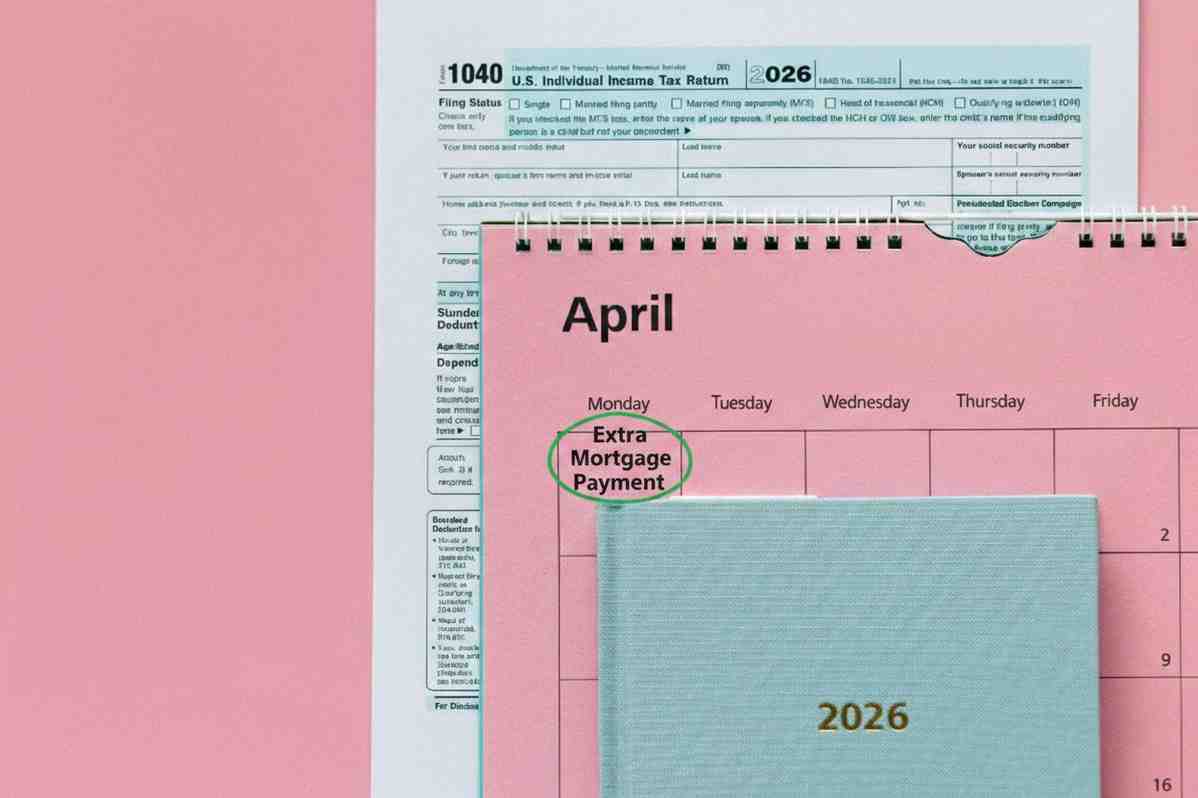
Understanding Challenge of Long-Term Mortgage Debt
For many homeowners, managing mortgage debt is one of most significant and long-lasting financial commitments. Even with disciplined monthly payments, cumulative interest over decades can greatly increase total cost of homeownership. For example, on a typical 30-year, $300,000 mortgage at a 4% interest rate, a family might end up paying more than $215,000 in interest alone if they stick to the standard schedule (Bankrate, 2023). The idea of staying in debt for 25 to 30 years or more can be daunting, leading many to seek practical ways to pay off their mortgage sooner and lower interest expenses.
However, the impact of strategies like mortgage acceleration will vary depending on your individual loan amount, interest rate, and overall financial goals. For some, making extra payments may yield considerable savings and peace of mind, while for others, the benefits may be smaller or less relevant compared to other priorities. One approach gaining attention is mortgage acceleration through an additional payment each year. But how does this method work, and what benefits or limitations should borrowers consider?
The Mechanics of Mortgage Acceleration Through Extra Payments
Mortgage acceleration means directing extra funds to the principal balance, reducing debt faster than the standard payment schedule. When you make an extra payment equal to one monthly instalment each year, it goes directly to the principal. Because interest is recalculated immediately on this new, lower balance, each extra payment further reduces the amount of interest charged in subsequent months. This lowers the amount on which future interest is calculated, decreasing total interest charged and shortening the loan term.

To understand the impact, consider a typical fixed-rate mortgage with a 30-year term. By making just one additional payment each year, the borrower effectively increases the total amount paid without substantially changing the monthly cash flow. Over time, these extra payments compound the reduction of principal, accelerating the payoff timeline. For example, on a $300,000 mortgage at a 4% interest rate, making one extra payment per year can save about $28,000 in interest and shorten the loan term by approximately 4.3 years (Fannie Mae, 2022). Depending on the interest rate and loan specifics, this strategy can reduce the mortgage term by 4 to 5 years.
Practical Methods for Implementing One Extra Payment Per Year
For homeowners interested in this strategy, these are some practical considerations to help maximise its effectiveness:
1. Confirm How Extra Payments Are Applied
Before making extra payments, verify with your lender how they will be applied. Some mortgages may automatically allocate extra payments to future scheduled instalments instead of reducing the principal. Ensuring extra payments reduce the principal is important for accelerating debt payoff. When you call your lender or loan servicer, you can make the conversation easier by raising specific questions, such as:
- Will you apply the extra payment directly to the principal balance today?
- How should I indicate that I want this payment to go toward principal only?
- Are there any documents or notes I ought to include when making my payment to ensure correct application?
Using these direct questions helps you quickly confirm that your extra payment will achieve its intended purpose.
2. Timing and Amount of Extra Payments
You don't have to make your extra payment as a single lump sum once a year. Many borrowers prefer to divide the amount by adding a bit extra to each monthly payment, while others choose to make one additional payment at a specific point in the year. The key is consistency: as long as your annual extra contributions add up to at least one full monthly payment, you'll see the benefits of accelerated payoff.
3. Check Loan Terms for Prepayment Penalties
It is also essential to clearly separate the process of timing your extra payments from checking your loan terms for prepayment penalties. While deciding how and when to make your extra payment, review your mortgage agreement to see if any fees or restrictions could apply if you pay off your loan faster than scheduled.
Some mortgage agreements include prepayment penalties that can reduce or even outweigh the benefits of extra payments. Checking the loan contract or asking the lender can determine whether such fees apply. To make a practical decision, try running a quick "penalty vs savings" calculation: compare the dollar amount of any prepayment penalty to the estimated interest you would save by making extra payments.
For example, if you pay a prepayment penalty of $1,000, but making extra payments on your $300,000 mortgage at 4% interest could help you save about $28,000 in total interest over the life of the loan, online tools such as ReadyCalculator (ReadyCalculator, 2023) show that the penalty may be relatively small compared to savings. In this case, interest savings far outweigh the penalty, making prepaying a smart move. On the other hand, if the penalty were much higher—say $15,000—but your total interest savings from extra payments were only $10,000, you would end up paying more in penalties than you save in interest. This illustrates why it is important to do a side-by-side comparison, so you can see at a glance whether accelerating payments actually provides a real benefit.
If the penalty is less than your potential interest savings, prepayment likely makes sense. If the penalty is higher, you should reconsider or consider other options. Taking a moment for this simple comparison ensures your extra payments actually move you ahead.
4. Use Online Calculators to Estimate Impact
Many financial websites offer mortgage calculators that include extra payments. These tools let homeowners enter their loan details and see how an additional payment per year might affect the term and interest paid. While these estimates are not exact, they provide useful planning guidance. For a more in-depth look, try plugging your numbers into two different calculators and comparing the results. Notice if there are any differences in projected payoff or interest savings. This simple experiment can help you see how assumptions or calculation methods may vary, and ensure you are basing your decisions on plausible scenarios.
Common Pitfalls to Avoid When Accelerating Mortgage Payments
While making extra payments can be beneficial, borrowers should be mindful of several likely issues. Before committing additional funds to your mortgage, take a moment to consider your bigger financial picture. List out your top three financial goals, such as building emergency savings, adding to retirement, or paying down higher-interest debt. This quick, considerate pause helps ensure that mortgage acceleration fits into your overall plan and guards against overextending your finances.

- Misapplying Extra Funds: Without explicit communication with the lender, extra payments may be credited toward future instalments rather than principal reduction. This mistake delays the intended acceleration effect and limits interest savings.
- Overextending Financial Resources: Prioritising mortgage acceleration cannot come at the expense of other financial responsibilities like emergency savings, retirement contributions, or high-rate debt repayment. Borrowers should assess their overall financial position before allocating additional funds to the mortgage.
- Ignoring Loan Terms and Conditions: Not reviewing the mortgage contract for prepayment penalties or restrictions may result in unexpected fees, reducing the benefits of paying extra.
Prioritising mortgage acceleration ought not come at the expense of other financial responsibilities, such as emergency savings, retirement contributions, or high-rate debt repayment. For example, tackling high-interest credit card debt, which can have interest rates around 18 percent or higher, often delivers far greater savings than paying down a 4 percent mortgage early. By comparing the numbers side by side, you can see that dedicating extra funds to eliminate high-interest balances first usually results in a stronger financial outcome. Borrowers ought to assess their overall financial position and consider this hierarchy of money moves before allocating extra funds to the mortgage.
Dangers and Constraints of One Extra Mortgage Payment Per Year
Although this strategy presents a straightforward way to reduce mortgage debt, it is not without limitations:
- Interest Rate Environment: In a low interest rate environment, savings from extra payments may be smaller than during periods of higher rates. If interest rates are high or variable, the impact of accelerated payments can be greater.
- Opportunity Cost: Allocating extra funds to mortgage repayment means those funds are not available for other investments. Borrowers should consider whether possible returns from investing elsewhere outweigh the benefits of early mortgage payoff.
- Loan Structure Differences: Mortgages with adjustable rates, interest-only periods, or balloon payments may respond differently to extra payments. Understanding how these features interact with acceleration strategies is important.
Allocating extra funds to mortgage repayment means those funds are not available for other investments. Before committing, it can be helpful to walk through a simple decision checklist to clarify your priorities:
- What is the interest rate on your mortgage, and how much could you save by paying it down early?
- Are there other financial goals, such as emergency savings or retirement, that need attention first?
- What investment return do you realistically expect after taxes and inflation if you put this money elsewhere?
- How comfortable are you with potential market risk compared to the certainty of interest savings from your mortgage?
- Will extra payments affect your overall cash flow or make you feel stretched?
Taking a moment to think about these questions can help you move forward with confidence, whether you choose to accelerate your mortgage payoff or invest for other goals.
Conclusion: Weighing Benefits and Factors in Mortgage Acceleration
Making one extra mortgage payment per year can be a practical way for homeowners to shorten their loan and reduce total interest costs. By applying extra funds directly to the principal, borrowers can shorten a typical 30-year mortgage by several years and ease the long-term debt burden. Before you finish reading, pick a specific step: for example, set a calendar reminder for next month to schedule your "13th payment" or open your lender portal now to see how you can make an extra payment online. Taking one small action today can move you from intention to real progress on your mortgage goals.
However, this approach demands careful attention to loan terms, lender policies, and personal financial priorities. It is not a universal solution and carries trade-offs, including opportunity costs and possible prepayment penalties.
Homeowners interested in mortgage acceleration should use financial tools to model potential outcomes and consult financial professionals to ensure the strategy aligns with their overall goals. When approached thoughtfully, making an extra payment each year can be a valuable part of a comprehensive mortgage plan.

