
At today’s average credit card rate of 22% APR, carrying a $6,000 balance burns through around $1,300 a year in interest alone. That is money lost to the bank, rather than going toward your principal or your financial goals. High-interest debt is a significant challenge for many adults in developed economies. Beyond the numbers, debt can bring real anxiety and stress, leaving people feeling stuck or even ashamed despite their best efforts to make progress. With credit card rates at historic highs, monthly payments often go toward interest instead of reducing the principal. This cycle can cause financial fatigue and frustration, making debt freedom seem unattainable, even with consistent effort.
Using 0% APR balance transfer cards provides a practical solution. Transferring high-interest debt to a new account with a temporary 0% rate stops interest from accruing for 12 to 21 months. This allows payments to reduce the principal directly and shorten the repayment period. Think of the 0% window as a clean slate; it is a chance to rewrite spending patterns and reset your approach before interest resumes. However, success depends on disciplined adherence to a clear repayment strategy.
The Mechanism of a Balance Transfer
A balance transfer uses one credit card to pay off another. Banks offer 0% introductory APR periods to attract new customers. When you transfer a balance, the new bank pays your previous creditors, and you owe the amount to the new bank without accruing interest during the promotional period.
Be aware of the balance transfer fee. Most issuers charge a one-time fee of 3% to 5% of the transferred amount. For example, if you transfer $3,000 and pay a 3% fee, that’s $90 upfront—much less than the $550 in interest you’d pay over a year at 22%. Although this increases your initial balance, it is usually much less than the interest you would pay on the original card over a few months. Calculating the break-even point, where interest savings offset the fee, is essential before proceeding.
Strategic Steps for Successful Execution
To maximize the benefit of a 0% APR period, manage the transition carefully. A balance transfer relocates debt and offers a temporary advantage, but does not reduce the total amount owed. You still owe every dollar of your debt—just on different terms. Remember, the responsibility to pay the full balance remains; the transfer simply changes where and how you pay, not how much you owe.
Quantifying the Repayment Target
Before applying for a new card, determine how much you can pay each month. Divide your total debt by the number of months in the 0% introductory period. For example, transferring $6,000 to a card with 18 months at 0% APR requires monthly payments of $333. Breaking that down, it equals about $11 a day—an amount that can feel more manageable and motivating. Thinking in daily terms can turn a big financial goal into smaller, achievable steps. Meeting this target ensures the debt is paid off before the standard interest rate, often 20% or higher, resumes.
Protecting Your Credit Profile
A good to excellent credit score is usually needed to qualify for the best balance transfer offers. It is natural to feel anxious about applying and the possibility of being denied. To improve your approval odds, one quick win is to pay down a small balance on an existing credit card before you apply, which can lower your credit utilization and show lenders positive payment behavior. Avoid submitting multiple applications in a short period, as hard inquiries can temporarily lower your score. After the transfer, keep old accounts open to increase your available credit and lower your credit utilization ratio, which can help improve your credit score during repayment. Taking small steps before applying can boost your chances and help build confidence as you work toward financial freedom.
If you discover you do not qualify for a balance transfer card or have low credit, there are still alternatives. Consider reaching out to a nonprofit credit counsellor, who can review your situation and suggest options such as a debt management plan. These plans may help consolidate your payments, sometimes with reduced interest rates, through an agreement with your creditors. You can also negotiate directly with your credit card companies for a temporary hardship plan or lower interest rates. Exploring these alternatives ensures that even if you do not qualify for balance transfers, you can still take steps to regain control and reduce your debt burden.
Common Mistakes and Strategic Pitfalls
The 0% APR period is a powerful opportunity, but it can present hidden roadblocks if not approached thoughtfully. For example, it is easy to relax once interest stops accumulating and unintentionally slip back into old spending habits. Thinking ahead about these hurdles and making a plan to address them can help you stay on track and avoid adding new debt.
Using the "Empty" Card
The main risk is treating the paid-off card as available credit. Charging new purchases to the old card after a transfer can double your debt. To avoid this, set aside original cards and do not use them until the consolidated balance is fully repaid. To make this commitment more concrete, write a one-sentence "no-swipe promise" and keep it with your shelved cards or tape it to the front of the card. This simple pledge is a personal reminder to stick to your debt plan and resist temptation, turning your best intentions into a real barrier against new spending.
You can reinforce your new habits by layering on additional behavioural strategies. For added security, set up spending alerts on your bank and credit card apps, so you get notified instantly if any purchase is made on the cards you are trying not to use. Ask a trusted friend or family member to check in on your progress or even hold the physical card for you until your repayment target is met. Giving someone else permission to hold you accountable can add a helpful layer of support. Also, record your repayment goal somewhere visible, like on your phone wallpaper or bathroom mirror, as a daily reminder. Combining these tactics increases your chances of sticking with your plan and successfully avoiding new debt.
Missing the "Promotional Trigger"
Most balance transfer offers state that a single late payment will revoke the 0% APR and activate the standard interest rate. To prevent this, set up automatic payments for at least the target amount to keep the promotional rate active. For example, Sarah set up autopay on her new card after transferring her $4,000 balance. A few months later, she was swamped at work and missed a paper statement, but her automatic payment was processed on time, keeping her 0% deal intact. Setting and forgetting your payment helps safeguard your progress, so one missed reminder doesn’t undo your hard work.
Risks, Limitations, and Realistic Expectations
While balance transfers can be effective, they have important limitations to consider:
- Credit Limit Constraints: The new card may not have a high enough limit to transfer your entire debt. In that case, it is smart to create a "triage plan" to maximise your savings. Start by listing all your debts and rank them by interest rate and the level of stress or urgency they cause. Move as much as possible from your highest-interest, most stressful debts first. Even a partial transfer can significantly cut your costs and provide breathing room. This quick prioritisation exercise turns a limited credit line into an actionable step, helping you make the most effective move with the balance transfer you qualify for.
- One-Time Nature: Banks usually do not allow transfers between cards from the same parent company. If you have debt with one bank, seek a competitor for your transfer.
- Repayment Discipline: If you do not pay off the balance by the end of the 0% period, the remaining amount will accrue interest at a high rate. The strategy’s effectiveness depends on consistent monthly payments.
Conclusion
A 0% APR balance transfer is a highly effective tool for accelerating debt repayment and regaining financial control. By removing interest for a year or more, it turns large debt into manageable, interest-free payments. To see how this can work in real life, consider the story of Michael, who had accumulated $7,200 in credit card debt due to unexpected expenses. Facing monthly interest charges of over $120, he transferred his full balance to a new card offering 18 months at 0% APR, paying a $216 transfer fee. Free from mounting interest, Michael made consistent monthly payments of $400, watching his balance steadily decrease. Just as the promotional period ended, he made his final payment and closed the card. Not only did he save more than $1,500 in interest under his new repayment schedule, but he also gained renewed confidence in managing his finances. Michael’s experience shows that with a disciplined plan, a balance transfer can be the breakthrough needed to finally achieve debt freedom.
However, success depends on disciplined repayment and avoiding new debt. Combining a low-cost transfer with a strict plan allows families to break the high-interest cycle and focus on building long-term wealth. Professional advice from a credit counsellor or financial advisor can offer additional support for complex debt situations.
But the biggest opportunity is not just to shed debt, but to change your self-perception. With each step, you are not just escaping the cycle of interest, but preparing to become a future investor, someone who puts money to work rather than paying it away. Every smart decision today brings you closer to seeing yourself not as a current debtor, but as someone building a foundation for investing and financial growth.
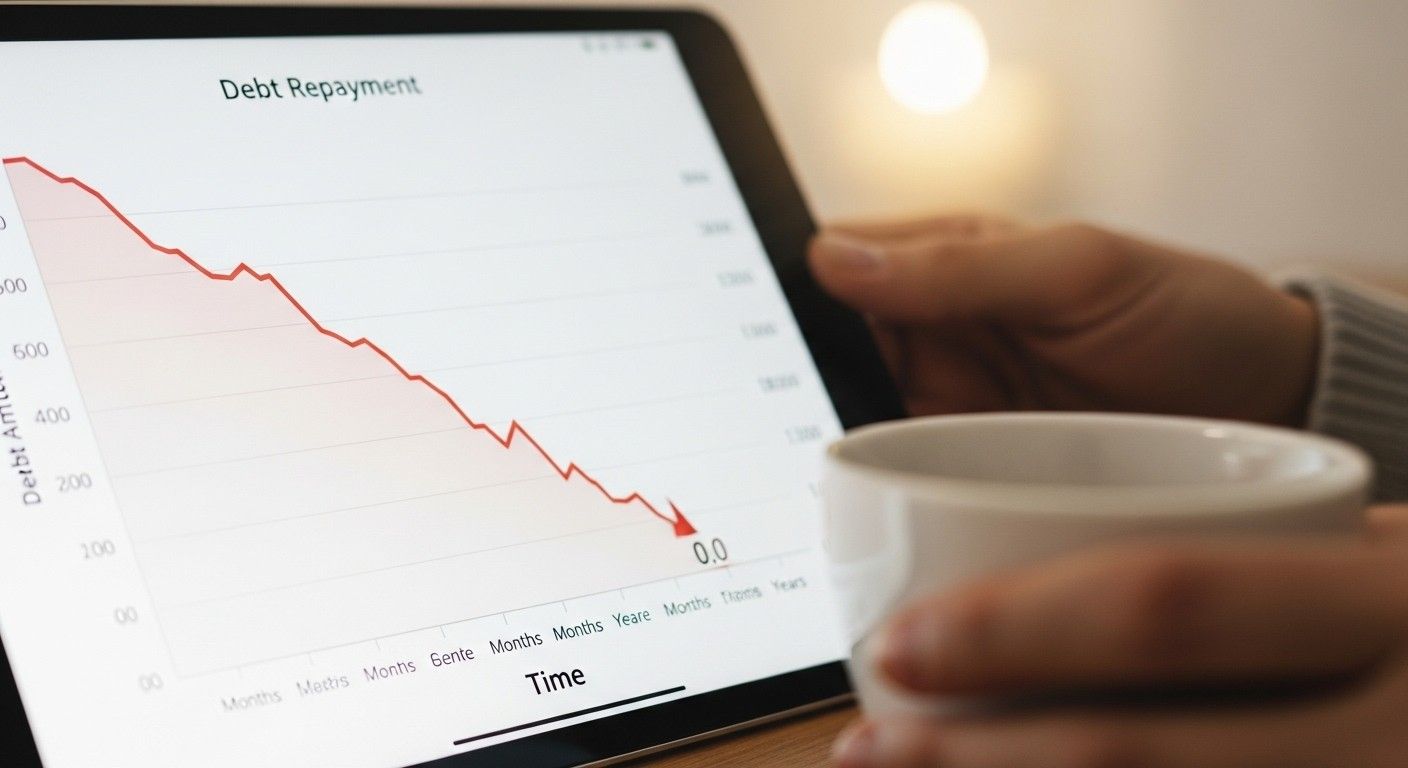
To help you stay motivated along the way, set clear milestones on your journey—such as paying off your first $1,000, reaching the halfway point, or making three months of on-time payments. Celebrate each win, even with a small reward like a special treat, a night out, or sharing your progress with supportive friends or family. Track your progress with a debt repayment chart, calendar, or mobile app to visualise your shrinking balances and keep your goal front and centre. Regularly reviewing how far you've come can reignite your motivation and make setbacks feel manageable.
Let this transition inspire you: the path to debt freedom is just the beginning of your journey as your own future investor.


