
Leaving $5,000 in a legacy checking account is akin to burning money. Banks offer minimal interest, inflation erodes your principal, and your balance dwindles while the market rises. The math is straightforward: a 0.05% APY versus a 6% average stock market return results in a loss of approximately $300 annually, with no effort required. This guide empowers beginners to achieve real growth without needing a finance degree.
Why Your Savings Are Losing Value
Many new investors start with a zero-balance checking account, hoping that "the market will rise someday." This hope fades when inflation surpasses the interest you earn. In 2023, the CPI averaged 3.2%, and by mid-2024, it hovered near 4%. If your cash earns 0.04% interest, you're losing purchasing power faster than a leaky bucket.
Switch to a high-yield savings account (HYSA) offering 4.75% APY. Ally Bank provides this rate with no monthly fee. The additional $250 earned on $5,000 in the first year is a modest start, but it halts erosion and funds the initial step toward investment.
Building a Core Portfolio from Scratch
Consider a portfolio as a three-legged stool. Legs one and two represent broad market exposure and the cash reserve for opportunities. The third leg is the safety net: tax-advantaged accounts that enhance compounding.
- Leg 1 – Broad market index funds (U.S., international, bonds)
- Leg 2 – Emergency cash in an HYSA or money-market fund
- Leg 3 – Roth IRA or 401(k) for tax-free growth
Each leg should be funded according to your risk tolerance. A 30-year-old might allocate 80% to equities, 15% to bonds, and 5% to cash. A 55-year-old could adjust to 60% equities, 30% bonds, and 10% cash.
Low-Cost Index Funds: The Workhorse
Index funds offer market upside without the need for analyst-level research. The key is the expense ratio: the lower, the better. Below is a quick overview of three popular providers.
| Provider / Product | Expense Ratio | Minimum Investment | Core Advantage | Best For | Action |
|---|---|---|---|---|---|
| Vanguard Total Stock Market Index Fund (VTSAX) | 0.04% | $3,000 | Pure U.S. market coverage | Beginner seeking simplicity | Visit Vanguard → |
| Fidelity ZERO Total Market Index (FZROX) | 0.00% | $0 | No expense ratio | Cost-conscious investor | Visit Fidelity → |
| Charles Schwab U.S. Broad Market ETF (SCHB) | 0.03% | $0 (ETF) | ETF flexibility, low cost | Investors who trade on a platform | Visit Schwab → |
Select the fund that aligns with your brokerage preference, then automate monthly contributions. Set up a $200 auto-transfer from your HYSA to the index fund each month, and let compounding do the heavy lifting.
Robo-Advisors: Set-and-Forget Automation
If you dislike spreadsheets, a robo-advisor can allocate assets, rebalance, and harvest tax losses without any effort on your part. Below is a snapshot of the top three services.
| Provider / Product | Management Fee | Minimum Balance | Core Advantage | Best For | Action |
|---|---|---|---|---|---|
| Betterment | 0.25% (Digital) | $0 | Goal-based planning, tax-loss harvesting | Hands-off investors | Visit Betterment → |
| Wealthfront | 0.25% | $500 | Free college-fund planning, direct indexing | Tech-savvy savers | Visit Wealthfront → |
| Ally Invest Managed Portfolios | 0.30% | $5,000 | Integrated checking/savings, low fees | Existing Ally customers | Visit Ally → |
Sign up, answer a few risk-tolerance questions, and let the algorithm distribute your money across the same index funds listed above. Rebalancing occurs automatically, keeping the portfolio on target.
Tax-Advantaged Accounts That Pay Off
Taxes can silently reduce your returns by 20% over a decade. Two vehicles dominate the scene: Roth IRAs for post-tax growth and employer-sponsored 401(k)s for pre-tax contributions.
- Roth IRA: Contributions are after-tax, withdrawals in retirement are tax-free. Ideal for younger earners expecting higher future tax brackets.
- 401(k): Employer match is free money. If your company matches 5% of salary, contribute at least that much before considering other options.
Open a Roth at Fidelity or Vanguard. Both platforms allow direct funding from your checking account and offer the same low-cost index funds mentioned earlier.
Hidden Fees That Eat Returns (And How to Avoid Them)
Even reputable brokers can impose fees that are invisible until you scrutinize the fine print. Common culprits include:
- Transaction commissions on low-volume trades – stick to commission-free ETFs.
- Account maintenance fees – many platforms waive them if you maintain a $10,000 balance.
- Advisor fees on "managed" portfolios – compare the % fee to the underlying fund expense ratio.
- Bid-ask spreads on thinly traded stocks – avoid penny stocks unless you're experienced.
Read the prospectus, review the fee schedule, and use the table above as a benchmark. If a platform advertises "0% commission" but adds a $5 per-trade fee, that's a red flag.
Implementing the Plan Today
Here's a quick launch checklist to turn theory into cash flow:
- Transfer idle cash from a checking account to an HYSA like Ally Bank to earn a 4.75% APY.
- Open a Roth IRA at Fidelity (no minimum) and fund $200 today.
- Select the Vanguard Total Stock Market Index Fund (VTSAX) as the core holding, set an automatic $200 monthly contribution.
- If you prefer set-and-forget, sign up for Betterment, allocate $300 to the recommended portfolio, and let the platform handle rebalancing.
- Schedule a quarterly review – ensure your cash reserve covers three months of expenses and your asset allocation matches your age-based target.
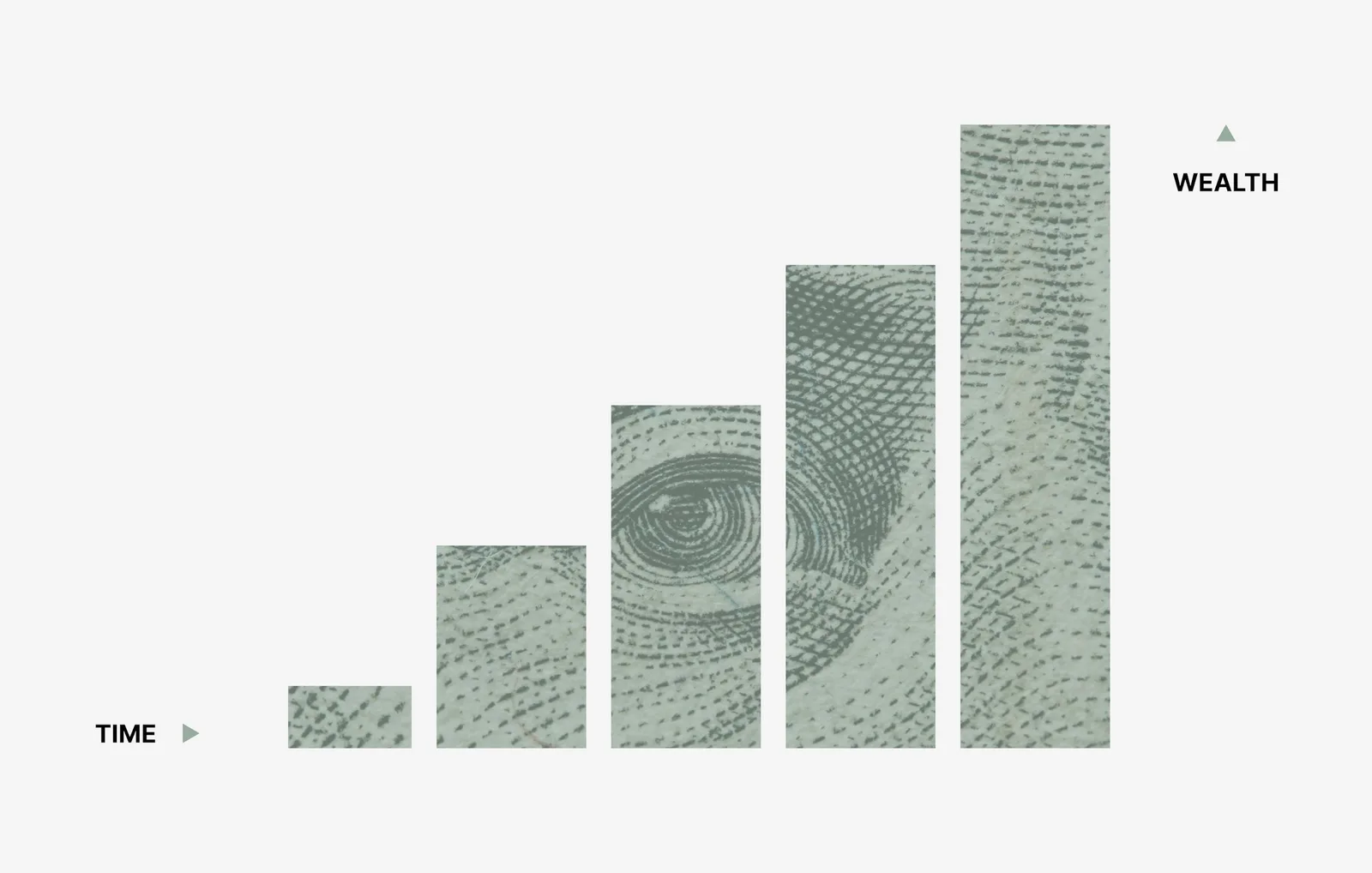
Execute these steps, relax, and watch the compounding curve rise. In five years, that $5,000 seed could grow beyond $8,000 at a modest 6% return, and tax-free Roth withdrawals will feel like a bonus.
Investing is not a sprint; it's a disciplined marathon. The tools above are affordable, transparent, and designed for everyday investors. Click the links, fund the accounts, and let the market work for you instead of the other way around.


