
The credit card market has changed from simple cashback cards to a "K-shaped" setup. In richer countries, companies now offer either very high-end luxury cards for wealthy people or rewards cards focused on experiences for busy professionals. By 2026, the Centurion Reserve charges about $2,500 a year but provides over $10,000 in special travel, personal assistance, and event access. On the other hand, cards like Urban Mobility+ cost as little as $75 a year and give monthly credits and useful perks. The Centurion Reserve is for wealthy travellers who want unlimited lounge access, custom travel planning, and special-event invites, all handled by an AI assistant. Urban Mobility+ is for busy professionals and includes credits for ride-sharing, food delivery, and streaming, plus instant rewards for local activities. Because of this, "one-size-fits-all" cards are now rare, and the value of a card depends on how well it fits your lifestyle and needs.
Navigating this market requires an analytical approach to "lifestyle architecture." In practical terms, lifestyle architecture means intentionally aligning credit card features and benefits with your specific spending patterns, habits, and personal goals. Rather than picking cards based solely on promotions or brand reputation, it involves mapping your everyday expenses and desired perks to the unique value each card offers. In 2026, credit cards are no longer just payment tools; they are access keys to ecosystems. Whether it is a card that provides AI-driven travel concierge services or one that offers carbon-offset tracking for every purchase, the choice of a primary card dictates the perks, protections, and hidden costs of your financial life. Understanding these divergent paths is essential for maximising the return on your daily spending.
The Bifurcation of Premium and Experiential Rewards
The "K-shape" describes the diverging strategies of card issuers. Premium cards have raised annual fees while expanding concierge services, now offering integrated AI assistants that can rebook flights, secure reservations, and automatically manage insurance claims. For example, your AI concierge may detect a cancelled flight, reroute your travel, and update your hotel reservation while you sleep. The main value is time savings and exclusive access.

Experience-based cards have shifted from traditional points to direct access. Rather than accruing hard-to-redeem miles, these cards offer immediate benefits, such as complimentary digital subscriptions, ride-sharing credits, and priority access to entertainment venues. For those who value experiences over possessions, these cards offer a tangible and immediate return.
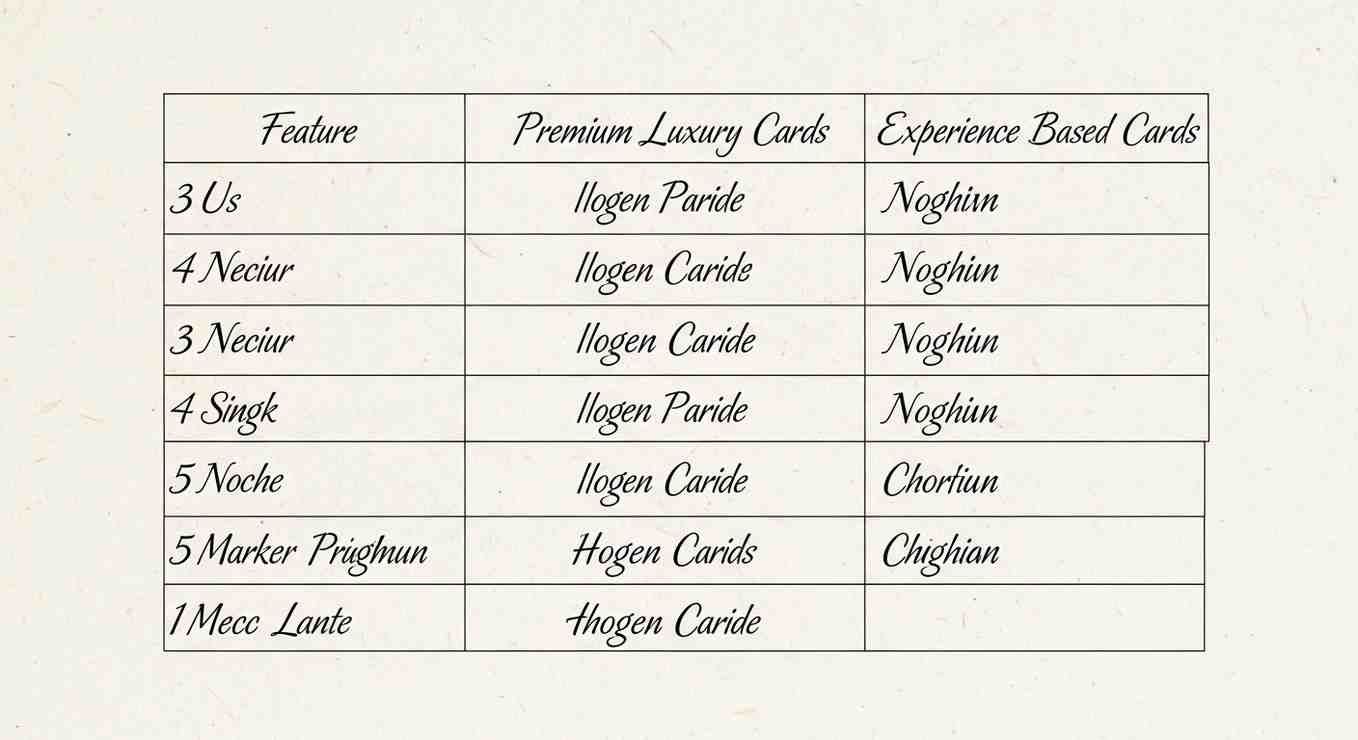
The 2026 Credit Card Value Matrix
Strategic Steps for Selecting Your Primary Card
In 2026, selecting the right card depends more on calculating the "net effective cost" than pursuing the largest sign-up bonus.
Conducting a Lifestyle Audit
Before applying for a new card, review your spending from the past three months. Use a budgeting app such as Mint or YNAB, or export your transactions to a spreadsheet to categorise expenses. Alternatively, create a table to separate categories like dining, travel, subscriptions, groceries, and transportation, and total your spending in each. Many banks and card issuers also provide built-in tools to analyse your purchases by category.
If you spend $500 per month on dining and delivery, a card offering a 4x multiplier on "Lifestyle and Experiences" will likely provide greater value than a flat 2% cashback card, even with a moderate annual fee. If your spending is spread across many categories, a high-limit general-purpose card with strong purchase protection may be more beneficial than a specialised rewards card.
Maximising the "Ecosystem" Value
In 2026, the most successful cardholders "stack" their rewards by staying within a single issuer's ecosystem. By pairing a premium "travel" card with a no-fee "daily spending" card from the same bank, users can often transfer points between accounts to unlock higher redemption values for international travel or high-end retail.
In 2026, effective cardholders maximise rewards by staying within a single issuer's ecosystem. Pairing a premium travel card with a no-fee daily spending card from the same bank allows users to transfer points between accounts, increasing redemption value for travel or retail. For example, points earned from routine purchases can be used for first-class flights or luxury hotel stays. This approach, known as "Points Optimisation," can increase total rewards value by 30% to 50% with minimal ongoing effort once accounts are linked in the same online account for easy management.
- Link your accounts within the issuer's loyalty program so rewards points pool together.
- Use the premium card for its bonus categories and the daily card for all other purchases.
- Regularly review your points balance and redemption options to ensure you are getting the highest value, such as transferring points to partner airlines or using them for statement credits.
By following these steps, you can maximise your rewards while simplifying the management of your card benefits.
Common Mistakes and Strategic Pitfalls
The complexity of modern credit offers can lead to "benefit fatigue," where a user pays for features they never actually utilise.
- The "Prestige" Trap: Many consumers pay high annual fees for premium cards primarily for status. If you do not use lounge access, concierge services, or travel credits at least four times a year, the card's net effective cost is likely negative.
- Neglecting the "Earn-to-Burn" Ratio: Inflation Eats Points for Breakfast. In today's inflationary environment, points idling in a credit card account act like cash stashed in a zero-interest savings account—they quietly lose value. At the same time, loyalty programs quietly move the goalposts. A common mistake is hoarding points, believing that saving up for a big future splurge is more savvy than redeeming now. In reality, delays can devour your rewards faster than you realise. The most effective strategy in 2026 is to adopt an "earn and burn" mindset: use your points within 12 months of earning them to stay ahead of inflation and program devaluations. Treat points as a living currency: if you wait, you risk waking up to find your dream trip costs twice as much.
- Overlooking Secondary Protections: While rewards are prominent, secondary benefits such as cell phone insurance, extended warranties, and primary rental car coverage can provide significant savings. Using the appropriate card for high-value purchases ensures you receive these protections.
Risks, Limitations, and Realistic Expectations
Credit cards remain among the most expensive borrowing options. In 2026, both rewards and interest rates have increased. Carrying a balance will quickly offset any rewards earned. Experience-based perks can also change with 30 days' notice. To maximise value, stay informed about benefit updates by setting calendar reminders, enabling app notifications, or using third-party services that track changes. These proactive steps help you avoid missing new benefits or being surprised by removed perks.
Conclusion
Navigating the K-shaped credit card market of 2026 requires moving from passive spending to active management. By determining whether you prioritise high-end service or immediate lifestyle benefits, you can select a card that truly supports your financial goals. Evaluate the full ecosystem of benefits to ensure the net effective cost remains favourable. Reviewing your card portfolio every two years will help you maximise value from your daily transactions.

