Why food choices matter for your heart
Heart and blood vessel conditions are influenced by many factors, including age, genetics, stress, movement, sleep, and what we eat. Over time, daily food choices can either support healthy blood vessels and cholesterol levels or make problems more likely. A pattern that emphasizes minimally processed foods, plants, and healthy fats has repeatedly been linked to better heart outcomes, while diets high in added sugars, salt, and certain fats are associated with higher risk. For many adults, small, sustainable changes in what goes on plate can gradually improve blood pressure, cholesterol balance, weight management, and overall well being. Food does not replace professional care, but it can be an important part of a broader heart healthy lifestyle.
How food supports heart health
Cholesterol, blood pressure, and inflammation
Several processes link food and heart health:
- Certain fibers can help reduce the amount of cholesterol absorbed from gut, which may lower "bad" LDL cholesterol over time.
- Minerals such as potassium and magnesium support normal blood pressure by helping the body handle sodium and maintain healthy blood vessel function.
- Unsaturated fats, especially omega 3 fats, appear to support healthier blood fats and may help stabilize heart rhythm in some people.
- Antioxidants and other plant compounds can help protect blood vessels from damage related to oxidative stress and low grade inflammation.
Rather than focusing on a single "superfood," many studies point to overall patterns: more plants, whole grains, and unsaturated fats; fewer ultra processed foods and excess salt. The foods below fit into that broader pattern and can be combined in many different ways.
1. Fatty fish
Fish such as salmon, sardines, mackerel, trout, and herring provide long chain omega 3 fatty acids. These fats are associated with lower triglyceride levels and may support more stable heart rhythm and reduced inflammation. Regular fish intake is a common feature of many heart protective eating patterns.
In daily life, this might mean including fish in meals once or twice a week, for example by grilling, baking, or using canned options packed in water or olive oil. People who do not eat fish may discuss alternatives, such as algae based supplements, with a health professional, especially if they have existing heart concerns or take medications that interact with supplements.

2. Nuts
Almonds, walnuts, pistachios, and similar nuts provide unsaturated fats, plant protein, fiber, and plant sterols. When eaten in moderate amounts instead of snacks high in refined starch or added sugar, nuts have been associated with improved cholesterol patterns and lower long term cardiovascular risk.
A small handful of unsalted nuts as a snack, or sprinkled over salads, yogurt, or cooked vegetables, can be an easy way to add them. Because nuts are energy dense, portion sizes matter, especially for people who are monitoring their weight. Those with nut allergies should avoid them and seek other sources of healthy fats.
3. Extra virgin olive oil
Extra virgin olive oil is rich in monounsaturated fat and contains natural antioxidants known as polyphenols. Diets that use olive oil as a main added fat, particularly in place of butter or other sources of saturated fat, have been linked with lower rates of heart events in large population studies.
Practical changes can be simple: using olive oil for salad dressings, gently sautéing vegetables, or drizzling a small amount over cooked beans or whole grains. Very high heat cooking can degrade some of its beneficial compounds, so gentle to moderate heat is usually preferred.
4. Oats and other whole grains
Oats contain soluble fiber (often called beta glucan) that can bind some cholesterol in the digestive tract. This may help lower LDL cholesterol when oats replace more refined grain products as part of a balanced diet. Other whole grains, such as barley, brown or wild rice, whole wheat, rye, and some traditional grains, also provide fiber and nutrients that support blood sugar and blood pressure control.
Swapping refined breakfast cereals for plain oatmeal, choosing whole grain bread instead of white, or mixing brown rice into dishes are realistic, gradual steps. For people who are not used to high fiber foods, it can be helpful to increase intake slowly and drink enough water to reduce digestive discomfort.
5. Legumes (beans, lentils, chickpeas, peas)
Legumes are rich in fiber, plant protein, potassium, and other micronutrients. Replacing some red or processed meat with beans or lentils a few times a week is associated with healthier cholesterol levels and lower long term heart risk in many observational studies.
They can be added to soups and stews, used as a base for spreads, or served with whole grains and vegetables. Canned beans are convenient; rinsing them before use can reduce sodium content. Some people experience gas or bloating when they first increase legumes; soaking dried beans, cooking them thoroughly, and increasing intake gradually can help.
6. Leafy greens and other vegetables
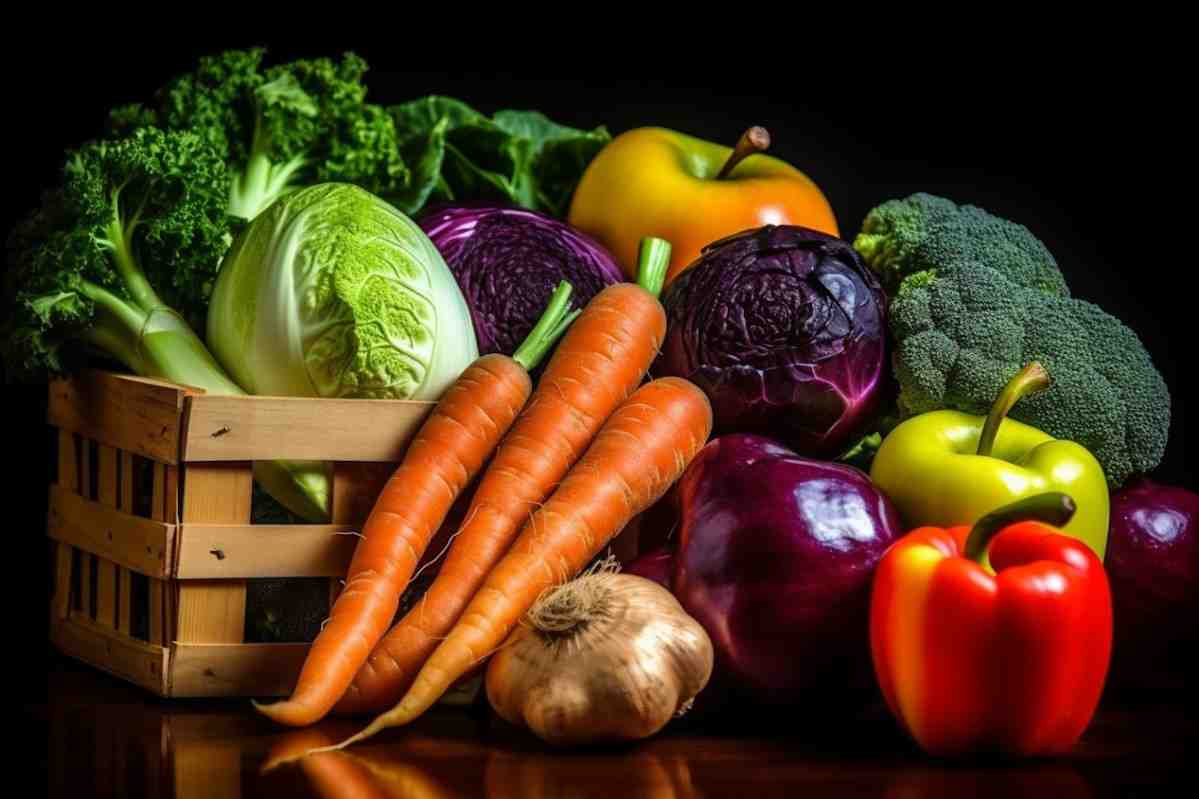
Leafy green vegetables such as spinach, kale, and other traditional greens provide vitamins, minerals like potassium and magnesium, and dietary nitrates that may support flexible, healthy blood vessels. A wide variety of non starchy vegetables also provides fiber and protective plant compounds. Higher vegetable intake overall is consistently linked with lower rates of cardiovascular disease in population research.
Adding vegetables to both lunch and dinner, using them in soups, stir fries, and mixed dishes, or keeping frozen vegetables on hand can make it easier to reach a generous daily intake. For people taking certain blood thinning medications, stable rather than rapidly changing intake of vitamin K rich greens is often recommended, so any major dietary changes should be discussed with a clinician.
7. Fruits, especially berries and citrus
Fruits offer fiber, vitamins, and antioxidants. Berries and citrus fruits are frequently studied in relation to heart health, with findings suggesting potential benefits for blood pressure and blood vessel function when eaten regularly as part of a balanced diet. Replacing sugary desserts with fruit can also help reduce added sugar intake.
A practical approach is to aim for fruit at breakfast or as snacks, for example fresh berries with yogurt, an orange, or sliced fruit added to porridge. Whole fruits are generally preferable to juices, as they provide more fiber and are more filling. People with certain conditions, such as diabetes, may need individualized nutrition advice regarding fruit portions.
8. Avocado
Avocados contain monounsaturated fats, fiber, and potassium. When they replace sources of saturated fat such as butter or certain spreads, they can contribute to healthier cholesterol patterns. They also contribute to a sense of fullness, which may support weight management for some individuals.
In everyday meals, avocado can be used on whole grain toast, added to salads, or blended into sauces. As with nuts, avocados are energy dense, so mindful portion sizes are helpful, especially for those monitoring total energy intake.
9. Seeds (such as flax and chia)
Flaxseed, chia seeds, and some other seeds provide plant based omega 3 fats, fiber, and compounds known as lignans. Ground flaxseed has been studied for its potential to help improve cholesterol levels and support blood pressure management when used regularly within an overall heart supportive diet.
A spoonful of ground seeds can be stirred into porridge, smoothies, or yogurt, or sprinkled over cooked dishes. Whole flaxseeds tend to pass through the digestive system largely intact, so using ground flaxseed is often recommended. Those taking blood thinning medication or with digestive conditions may benefit from discussing larger amounts with a health professional.
10. Fermented dairy, such as yogurt and kefir
Plain yogurt and kefir can provide protein, calcium, potassium, and beneficial bacteria. Some observational studies link regular intake of fermented dairy, especially lower fat and low sugar choices, with a reduced risk of high blood pressure and certain heart outcomes. However, results vary, and dairy tolerance differs between individuals.
Choosing unsweetened or lightly sweetened versions, and combining them with fruit and a small amount of nuts or seeds, can make them a nutritious part of a heart friendly eating pattern for those who tolerate dairy. People with lactose intolerance or dairy allergy will need suitable alternatives and may wish to seek personalized advice.

Putting "food as medicine" into daily life
Building meals around patterns, not perfection
No single meal defines heart health. What matters most is the pattern that emerges over weeks and months. A practical daily pattern might include:
- A breakfast built around whole grains, fruit, and seeds.
- A lunch centered on vegetables, legumes or fish, and whole grains, prepared with olive oil.
- An evening meal with plenty of vegetables, a source of plant or fish protein, and some healthy fats from nuts, seeds, or avocado.
Snacks can be simple: fruit, a small portion of nuts, or yogurt. For many people, it is easier to focus on adding helpful foods than on strict restriction. Over time, healthier options often crowd out less supportive choices.
Common misconceptions and mistakes
"One superfood will fix everything"
It is easy to hope that a single food or supplement can "clean arteries" or "reverse" heart problems. Current evidence does not support these kinds of promises. Food can support heart function and risk reduction, but it cannot replace medical treatment or undo years of risk factors on its own.
"All fats are bad for heart"
Fats differ widely. Saturated and trans fats, often found in certain processed foods and some animal products, are linked with higher LDL cholesterol when eaten in excess. In contrast, unsaturated fats from fish, nuts, seeds, and olive oil are generally considered more supportive of heart health when used in place of less healthy fats. Completely eliminating fat is neither necessary nor practical for most adults.
"Carbohydrates are always harmful"
Highly refined carbohydrates and sugary drinks can contribute to weight gain, higher blood sugar, and higher triglycerides. However, whole grain carbohydrates and legumes play a positive role by providing fiber and nutrients that support heart and metabolic health. The quality of carbohydrates matters as much as quantity.
"Healthy eating must be complicated or expensive"
Some of the most heart supportive foods—beans, lentils, oats, seasonal vegetables, and many fruits—can be relatively affordable, especially when bought dried, frozen, or in simple forms. Planning meals, cooking at home when possible, and using leftovers creatively can help keep costs manageable.
Risks, limitations, and realistic expectations
Even very balanced eating cannot guarantee that someone will avoid heart disease. Genetics, age, environment, stress, sleep, movement, and other health conditions all play major roles. Food is a powerful tool, but it is one part of a larger picture that may also include medication, medical procedures, and lifestyle changes in areas such as physical activity, smoking, and alcohol.
Some people have specific medical needs that change how they should approach food. Examples include kidney disease (which can affect how much potassium is safe), certain heart rhythm conditions, allergies and intolerances, and interactions between foods or supplements and medications. In these situations, or if someone is considering major dietary changes, speaking with a qualified health professional or registered dietitian can be helpful.
It is also important to be cautious about extreme diets, unverified supplements, or products that promise rapid, dramatic heart "cleansing" or "cures." Such claims are often not supported by high quality evidence and may divert attention from approaches that are slower but more sustainable.
A balanced conclusion
Using "food as medicine" for heart health is less about strict rules and more about everyday patterns: more plants, fibers, and unsaturated fats; fewer ultra processed foods, added sugars, and excess salt. The ten foods described here—fatty fish, nuts, olive oil, whole grains, legumes, vegetables, fruits, avocado, seeds, and fermented dairy—fit into that broader pattern and can be combined in countless ways.
Over time, these choices can contribute to healthier cholesterol levels, blood pressure, and body weight, especially when paired with other supportive habits such as regular movement, adequate sleep, and tobacco avoidance. While food alone cannot diagnose, treat, or cure heart conditions, it is a practical, accessible lever that many adults can adjust, step by step, to support their heart for long term.

