
For decades, the Mediterranean diet has been heralded as the "gold standard" of human nutrition. In 2026, as precision medicine and longevity science evolve, this ancient way of eating remains the most clinically validated lifestyle intervention for extending both lifespan and healthspan. Unlike restrictive fad diets that prioritize short-term weight loss, the Mediterranean pattern focuses on systemic cellular health, inflammation reduction, and metabolic flexibility.
Current longitudinal data suggests that adherence to this dietary pattern can reduce all-cause mortality by up to 25%. By prioritizing monounsaturated fats, complex phytonutrients, and lean proteins, it addresses the "hallmarks of aging" at a molecular level. This guide explores the latest clinical evidence, practical implementation strategies, and the biological mechanisms that make the Mediterranean diet a cornerstone of modern preventative medicine.
Key Takeaways
- Longevity Core: High adherence is linked to a significant reduction in cardiovascular disease, Type 2 diabetes, and neurodegenerative decline.
- Nutrient Profile: Emphasizes healthy fats (omega-3s and oleic acid), antioxidants, and high-fiber plant foods.
- Inflammation Control: Acts as a natural anti-inflammatory protocol, lowering C-reactive protein (CRP) levels.
- Sustainability: Unlike restrictive diets, it is a flexible, culturally rich lifestyle rather than a rigid set of rules.
What is the Mediterranean Diet?
The Mediterranean diet is a plant-forward nutritional pattern based on the traditional eating habits of populations bordering the Mediterranean Sea, particularly in Greece, Italy, and Spain. It emphasizes whole grains, legumes, vegetables, fruits, nuts, and extra virgin olive oil as the primary fat source. Moderate consumption of fish and poultry is included, while red meat and processed sugars are strictly limited.
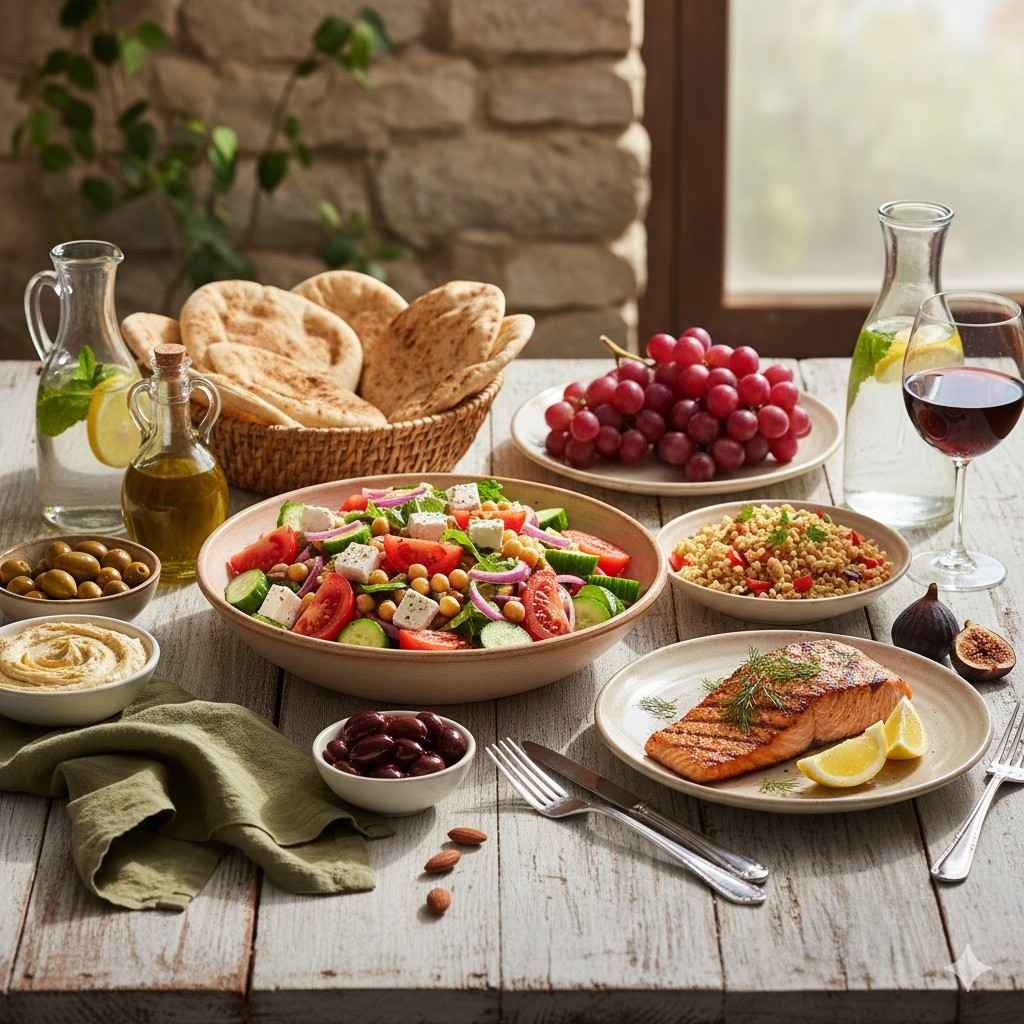
While often simplified as a "food list," the diet is a holistic lifestyle framework. It integrates social connectivity—eating meals with others—and regular physical activity. According to the Harvard School of Public Health, this combination of nutrient density and lifestyle factors is why it consistently ranks as the #1 diet for heart health and longevity. It is not a "diet" in the restrictive sense, but a "dieta"—the Greek word for a way of life.
The Geographic and Cultural Context
Originally identified by the "Seven Countries Study" in the 1950s, researchers noticed that impoverished populations in the Mediterranean had lower rates of heart disease than wealthier Americans. This was attributed to their reliance on seasonal, local produce and the replacement of saturated animal fats with liquid plant oils. In 2026, we recognize these regions as "Blue Zones," where individuals regularly live past 100 with high cognitive function.
What foods are included vs. avoided?
The Mediterranean diet prioritizes nutrient density and "slow-burning" fuel sources. The focus is on replacing inflammatory, ultra-processed ingredients with whole-food alternatives that provide high concentrations of polyphenols and fiber. By shifting the caloric load toward plants and healthy fats, the body maintains better glycemic control and lower oxidative stress.
The Mediterranean Selection Guide
- Fats and Oils: The primary source of lipids should be Extra Virgin Olive Oil (EVOO), supplemented by avocados and raw nuts like walnuts and almonds. You should strictly avoid or limit butter, margarine, lard, and highly refined seed oils (like soybean or corn oil).
- Protein Sources: Prioritize fatty fish (salmon, sardines, mackerel) at least twice a week, alongside plant-based proteins like lentils, chickpeas, and beans. Poultry and eggs are enjoyed in moderation. Red meat, deli meats, and sausages should be treated as rare "accent" foods rather than daily staples.
- Carbohydrates and Grains: Focus on intact whole grains such as farro, quinoa, oats, and 100% whole wheat, paired with a wide variety of whole fruits. Avoid white bread, refined pastries, and sugary breakfast cereals which trigger insulin spikes.
- Dairy and Fermented Foods: Opt for Greek yogurt, feta, and aged cheeses like Parmesan in small amounts. These provide probiotics and Vitamin K2. Limit sweetened coffee creams, processed cheese slices, and heavy ice creams.
- Beverages: Your primary hydration source is water, followed by unsweetened coffee and tea. Red wine is optional and should be limited to one glass per day during meals. Strictly avoid sodas, energy drinks, and excessive alcohol consumption.
What does the research say about Longevity and Disease Prevention?
Clinical research confirms that the Mediterranean diet extends longevity by reducing the risk of chronic "lifestyle" diseases that typically accelerate aging. Large-scale trials, such as the PREDIMED study, have shown that this diet can reduce the risk of major cardiovascular events by nearly 30%. It functions as a multi-targeted therapy for the heart, brain, and metabolic systems.
1. Cardiovascular Health and Lipid Management
The most robust evidence for the Mediterranean diet lies in its ability to protect the heart. By replacing saturated fats with monounsaturated fats and polyunsaturated fats (Omega-3s), the diet improves the "quality" of cholesterol. It reduces the number of small, dense LDL particles which are most prone to oxidizing and sticking to arterial walls.

Research published in the Journal of the American College of Cardiology highlights that the diet's high antioxidant load reduces endothelial dysfunction. The nitrates found in leafy greens convert to nitric oxide in the body, which helps blood vessels dilate, naturally lowering blood pressure and reducing the workload on the heart muscle.
2. Brain Function and the Prevention of "Inflammaging"
Neuro-inflammation is a primary driver of cognitive decline. The Mediterranean diet is a primary component of the MIND diet, which has been shown to slow cognitive aging by the equivalent of 7.5 years. The polyphenols found in berries and olive oil cross the blood-brain barrier to neutralize oxidative stress.
Furthermore, the diet supports the "Gut-Brain Axis." By consuming 30+ grams of fiber daily, you feed beneficial gut bacteria that produce short-chain fatty acids (SCFAs) like butyrate. These SCFAs have been shown to have neuroprotective effects, potentially reducing the accumulation of beta-amyloid plaques associated with Alzheimer's disease.
3. Cancer Prevention and Cellular Integrity
The Mediterranean diet is rich in phytonutrients that combat DNA damage. A meta-analysis published in The Lancet suggests that the diet's emphasis on fiber-rich plants and antioxidants significantly reduces the risk of colorectal, breast, and prostate cancers. The fiber promotes a healthy gut microbiome, which is essential for a robust immune system capable of identifying and destroying malignant cells before they proliferate.
The Science of Nutrigenomics: How the Diet Changes Your Genes
One of the most exciting developments in 2026 is the study of nutrigenomics—how specific nutrients turn genes "on" or "off." The Mediterranean diet is essentially a genetic instruction manual for longevity. High consumption of Extra Virgin Olive Oil has been shown to downregulate the expression of pro-inflammatory genes, such as NF-kB, which is the "master switch" for inflammation in the body.
By dampening this genetic pathway, the Mediterranean diet prevents the chronic, low-grade inflammation often called "inflammaging." Additionally, the abundance of antioxidants like resveratrol (found in grapes) and oleocanthal (in olive oil) activates Sirtuins, a family of proteins responsible for cellular repair and DNA stability. This molecular housekeeping is why Mediterranean populations often maintain youthful cellular profiles well into their 80s and 90s.
How do you practically start this diet in a modern lifestyle?
To start the Mediterranean diet in a modern context, focus on incremental "swaps" rather than an overnight overhaul. The goal is to make the healthy choice the easy choice by stocking your environment with the right building blocks.
The Five-Step Transition Strategy
- The Olive Oil Standard: Remove all butter and vegetable oils from your counter. Use Extra Virgin Olive Oil for everything from sautéing vegetables to dressing grains. The flavor profile will shift your palate toward whole foods.
- The "Half-Plate" Rule: At every lunch and dinner, fill exactly half of your plate with non-starchy vegetables (spinach, broccoli, peppers, zucchini). This ensures high volume and fiber while naturally crowding out more calorie-dense processed foods.
- Protein Rotation: Limit red meat to a "special occasion" food (once or twice a month). Replace your Tuesday steak with grilled salmon and your Thursday chicken with a hearty lentil stew.
- Sugar Detox through Fruit: When a sugar craving hits, reach for berries or a peach. The fiber in the fruit slows the absorption of fructose, preventing the insulin spikes that drive fat storage and inflammation.
- Social Eating: Longevity isn't just about what you eat, but how you eat. Aim to have at least five meals a week shared with others. This promotes slower eating, better digestion, and lower cortisol levels.

A Day in the Life: Sample Menu
- Breakfast: Steel-cut oats topped with walnuts, blueberries, and a drizzle of honey.
- Lunch: A large "Greek" salad with cucumbers, tomatoes, chickpeas, feta cheese, and a heavy pour of olive oil and lemon.
- Snack: An apple with a small handful of raw almonds.
- Dinner: Baked cod with a side of roasted Brussels sprouts and a small portion of quinoa.
Common Misconceptions: Debunking Mediterranean Myths
Despite its popularity, several myths persist that can prevent people from reaping its full benefits. Addressing these misconceptions is vital for long-term adherence and scientific accuracy.
"It's too expensive for a regular budget."
In reality, the Mediterranean diet is one of the most economical ways to eat. While fresh wild-caught fish can be expensive, the bulk of the diet comes from dried beans, lentils, chickpeas, and seasonal produce. Buying these in bulk and utilizing frozen vegetables (which are flash-frozen at peak ripeness) allows for a nutrient-dense diet at a fraction of the cost of a "Standard American Diet" filled with expensive meat and boxed snacks.
"I can eat as much pasta as I want as long as it's Mediterranean."
The modern perception of a "giant bowl of pasta" is not Mediterranean. In Italy, pasta is often a *primo* (first course), served in a small portion (about 50-80 grams) and loaded with vegetables and legumes. The "hero" of the meal is the vegetable, not the starch. To follow the diet correctly, choose whole-grain or legume-based pastas and keep the portion size to a side-dish level.
"I need to drink wine for my heart."
While the Mediterranean diet includes red wine, it is not a requirement. The benefits attributed to wine come from polyphenols like resveratrol. You can obtain these same compounds from red grapes, blueberries, and even cocoa. If you have a history of alcohol sensitivity or simply prefer not to drink, you are not "missing" a key longevity ingredient.
The Role of the Microbiome in Longevity
In 2026, we now understand that the Mediterranean diet is effectively a "microbiome diet." Your gut is home to trillions of bacteria that dictate your immune response and mood. The diversity of fiber sources in this diet—derived from dozens of different plants—promotes a diverse microbial ecosystem.
A diverse microbiome acts as a barrier against leaky gut syndrome, where toxins escape the intestinal tract and enter the bloodstream. By maintaining the integrity of the gut lining, the Mediterranean diet prevents systemic inflammation before it even starts. This is a critical factor in why followers of this diet have lower rates of autoimmune diseases and metabolic syndrome.
Conclusion: The Bottom Line for 2026
The Mediterranean diet is more than a nutritional plan; it is a blueprint for biological resilience. By focusing on anti-inflammatory fats, diverse plant fibers, and high-quality proteins, it addresses the root causes of aging at the cellular level. The clinical consensus remains unshaken: those who adopt these habits live longer, maintain higher cognitive function, and enjoy a better quality of life well into their senior years.
Transitioning to this lifestyle doesn't require perfection. Every small shift—adding a drizzle of olive oil, choosing lentils over beef, or snacking on an orange—moves your physiology toward a state of longevity. In an era of complicated health "hacks," the simplest, most ancient solution remains the most effective.

