
Why Belly Fat Matters More Than You Think
In today's health-conscious world, the quest for a flatter stomach and reduced belly fat is a common goal for many. Beyond aesthetics, belly fat reduction is crucial for overall health. Excess abdominal fat, particularly visceral fat that surrounds your organs, is strongly linked to serious health issues such as heart disease, type 2 diabetes, certain cancers, and metabolic syndrome.
This comprehensive guide will delve into the most effective strategies for achieving lasting belly fat reduction, combining smart dietary choices with targeted exercise routines. Forget quick fixes and unrealistic detoxes; our focus is on scientifically-backed methods that deliver lasting results, improve your well-being, and empower you with the knowledge to maintain a healthier lifestyle.
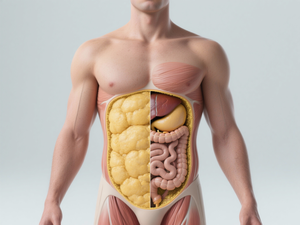
Understanding Belly Fat: More Than Just Aesthetics
Before we dive into solutions, it's essential to understand what belly fat is and why it's a concern. Not all fat is created equal. When we talk about belly fat, we're primarily referring to two types:
Subcutaneous Fat
This is the fat you can pinch just under your skin. While excess subcutaneous fat can be aesthetically undesirable, it generally poses less of a health risk than visceral fat.
Visceral Fat
This deep abdominal fat surrounds your organs (liver, intestines, etc.). It's metabolically active, meaning it releases inflammatory substances and hormones that can negatively impact your health. This is the fat type most strongly associated with increased risk of chronic diseases.
The Dangers of Excess Visceral Fat
The accumulation of visceral fat is driven by several factors, including genetics, diet, lack of physical activity, chronic stress, and poor sleep. Its presence significantly raises your risk for:
- Insulin resistance and Type 2 Diabetes
- Heart disease and high blood pressure
- Certain cancers (e.g., colorectal, breast)
- Sleep apnea
- Dementia
Therefore, reducing belly fat isn't just about looking good; it's a vital step towards a healthier, longer life.
The Role of Diet in Belly Fat Reduction
When it comes to losing belly fat, diet is arguably the most critical component. You simply cannot out-exercise a poor diet. Focusing on whole, unprocessed foods, controlling portions, and understanding the impact of different macronutrients are foundational steps.
Prioritizing a Calorie Deficit
The golden rule of fat loss, including belly fat, is to consume fewer calories than your body burns. This calorie deficit forces your body to tap into its fat reserves for energy.
How to achieve it:
- Track your intake: Use apps or a food journal to become aware of your daily calorie consumption.
- Portion control: Be mindful of serving sizes, especially with calorie-dense foods.
- Swap wisely: Replace high-calorie, low-nutrient foods with nutrient-dense, lower-calorie alternatives.
The Power of Protein for Fat Loss
Increasing your protein intake is a highly effective strategy for lasting fat loss. Protein is the most satiating macronutrient, meaning it helps you feel fuller for longer, reducing overall calorie intake.
Benefits of Protein:
- Reduces appetite and cravings: Helps prevent overeating.
- Boosts metabolism: Your body uses more energy to digest and metabolize protein (thermic effect of food).
- Preserves muscle mass: Crucial during weight loss to ensure you're losing fat, not valuable muscle.
Excellent Protein Sources:
- Lean meats (chicken breast, turkey, lean beef)
- Fish and seafood (salmon, tuna, cod)
- Eggs
- Dairy products (Greek yogurt, cottage cheese)
- Legumes (beans, lentils, chickpeas)
- Tofu and tempeh
Embracing Soluble Fiber
Fiber, especially soluble fiber, is a powerhouse for belly fat reduction. It absorbs water and forms a gel, slowing down food transit and making you feel full.
How Soluble Fiber Helps:
- Reduces appetite: Promotes satiety.
- Decreases calorie absorption: Can bind with some fats and sugars, reducing their absorption.
- Feeds healthy gut bacteria: A healthy gut microbiome is increasingly linked to better weight management and reduced belly fat.
Rich Sources of Soluble Fiber:
- Oats and barley
- Fruits: Apples, berries, citrus fruits
- Vegetables: Brussels sprouts, avocados, sweet potatoes
- Legumes: Beans, lentils
The Importance of Healthy Fats
While "fat" in the name might seem counterintuitive, healthy fats are essential for overall health and can aid in fat loss. They provide satiety and are crucial for hormone production and nutrient absorption.
Best Healthy Fat Sources:
- Avocados
- Nuts (almonds, walnuts) and seeds (chia, flax, pumpkin)
- Olive oil and coconut oil (in moderation)
- Fatty fish (salmon, mackerel, sardines)
Eliminating the Culprits: Processed Foods and Sugary Drinks
This is where the true "detox" happens – by eliminating foods that actively contribute to belly fat accumulation.
Refined Carbohydrates:
White bread, pastries, sugary cereals, and pasta can spike blood sugar, leading to increased insulin and fat storage, especially around the midsection. Opt for whole grains instead.
Sugary Drinks:
Sodas, fruit juices (even 100%), and sweetened teas are major culprits. They provide empty calories, rapidly increase blood sugar, and contribute directly to visceral fat. Water, unsweetened tea, and black coffee are better choices.
Trans Fats:
Found in many processed baked goods and fried foods, trans fats are particularly harmful and have been linked to increased belly fat and heart disease. Check food labels for "partially hydrogenated oil."
The Role of Exercise in Belly Fat Reduction
While diet is paramount, exercise is the accelerator. Combining strategic workouts with a healthy diet maximizes your efforts for belly fat reduction and improves your overall fitness.
Cardiovascular Exercise: Your Calorie Burner
Regular cardio is essential for burning calories and creating the necessary energy deficit for fat loss.
Jogging:
A fantastic starting point for many. Moderate-intensity jogging burns a significant number of calories over time, improves cardiovascular health, and builds endurance.
Recommendation: Aim for 30-60 minutes of jogging, 3-5 times per week.

Sprinting (HIIT):
For a more advanced and highly effective approach to losing belly fat, incorporate high-intensity interval training (HIIT) that includes sprints.
How HIIT Works: Short bursts of maximum effort (sprints) followed by brief recovery periods. This method elevates your heart rate rapidly, burns a lot of calories in a shorter time, and creates an "afterburn effect" (EPOC), where your body continues to burn calories at an elevated rate for hours after your workout.
Benefits of Sprinting for Belly Fat: Research consistently shows that HIIT is particularly effective at reducing visceral fat.
Sample Sprint Workout:
- Warm-up: 5-10 minutes of light jogging or dynamic stretches.
- Sprint: 30 seconds at maximum effort (run as fast as you can).
- Rest/Recovery: 60-90 seconds of walking or very light jogging.
- Repeat: 8-12 cycles.
- Cool-down: 5 minutes of walking and static stretches.
Recommendation: Start with 2-3 HIIT sessions per week on non-consecutive days, allowing for adequate recovery.
Strength Training: Building a Fat-Burning Furnace
Don't skip the weights! Strength training is crucial for belly fat reduction because it builds and preserves muscle mass. Muscle is metabolically active, meaning it burns more calories at rest than fat does.
Benefits of Strength Training:
- Increased metabolism: More muscle means a higher resting metabolic rate.
- Body recomposition: Helps you lose fat while gaining muscle, leading to a leaner physique.
- Improved functional strength: Makes daily activities easier.
Effective Exercises for Core Strength (Indirectly helps belly fat reduction):
- Planks
- Russian Twists
- Leg Raises
- Crunches (when done correctly, though diet and overall fat loss are more impactful for appearance)
Compound Movements for Overall Fat Loss:
- Squats
- Deadlifts
- Lunges
- Push-ups
- Rows
- Overhead Press
Recommendation: Aim for 2-3 full-body strength training sessions per week, targeting major muscle groups.
Lifestyle Factors for Optimal Belly Fat Reduction
Beyond diet and exercise, several lifestyle elements significantly influence your ability to reduce and maintain a flat stomach.
Hydration: The Unsung Hero
Drinking sufficient water is often overlooked but vital for metabolism and fat loss.
How Water Helps:
- Aids metabolism: Water is essential for all metabolic processes.
- Promotes fullness: Drinking water before meals can help reduce calorie intake.
- Supports detoxification: Helps your kidneys flush out waste products.
- Reduces bloating: Adequate hydration prevents water retention.
Recommendation: Aim for at least 8 glasses (2 liters) of water per day, more if you're exercising intensely or in a hot climate. Infused water with lemon, ginger, cucumber, or mint can make it more palatable and provide extra nutrients.
The Impact of Sleep on Belly Fat
Chronic sleep deprivation is a significant contributor to belly fat. When you don't get enough sleep, your body's hormone balance is disrupted.
Hormonal Imbalance:
- Increased Cortisol: The stress hormone, which promotes visceral fat storage.
- Altered Ghrelin and Leptin: Ghrelin (hunger hormone) increases, and leptin (satiety hormone) decreases, leading to increased appetite and cravings, especially for unhealthy foods.
Recommendation: Prioritize 7-9 hours of quality sleep per night. Establish a consistent sleep schedule and create a relaxing bedtime routine.
Stress Management: Taming the Cortisol Beast
Chronic stress is another silent culprit behind stubborn belly fat. When stressed, your body releases cortisol.
Cortisol's Role: While essential for "fight or flight," prolonged elevated cortisol levels encourage the body to store fat, particularly in the abdominal region.
Strategies for Stress Reduction:
- Mindfulness and meditation
- Yoga or Tai Chi
- Spending time in nature
- Deep breathing exercises
- Engaging in hobbies
- Sufficient sleep
Recommendation: Identify your stressors and incorporate stress-reducing activities into your daily routine.

Common Mistakes to Avoid in Your Belly Fat Reduction Journey
Many people make common errors that hinder their progress. Avoiding these pitfalls is key to lasting belly fat reduction.
- Obsessing Over Spot Reduction: You cannot selectively lose fat from your belly. Crunches will strengthen your abs, but only overall fat loss will reveal them. Focus on full-body fat loss.
- Ignoring Diet: As mentioned, diet is paramount. You can't out-exercise a poor diet.
- Overdoing Cardio (Without Strength Training): While cardio is great, relying solely on it can lead to muscle loss over time, which slows metabolism.
- Insufficient Protein Intake: Not eating enough protein leaves you feeling hungry and can lead to muscle loss.
- Neglecting Sleep and Stress: These factors can sabotage even the most diligent diet and exercise efforts.
- Expecting Instant Results: Fat loss, especially stubborn belly fat, takes time and consistency. Be patient and celebrate small victories.
- Under-Hydration: Often overlooked, adequate water intake is fundamental for every bodily function, including fat metabolism.
Conclusion: Your Path to a Flatter, Healthier Stomach
Achieving a flatter stomach and reducing belly fat is a journey that requires a multi-faceted approach. It's not about quick fixes or extreme measures, but rather a commitment to sustainable, healthy lifestyle changes.
By prioritizing a calorie-controlled diet rich in protein and soluble fiber, incorporating a mix of cardiovascular exercise (including jogging and effective sprint intervals) and strength training, and managing crucial lifestyle factors like hydration, sleep, and stress, you can significantly reduce abdominal fat and improve your overall health.
Remember, consistency is your most powerful tool. Embrace these strategies as a lasting way of living, not just a temporary diet. Consult with a healthcare professional or a registered dietitian if you have underlying health conditions or need personalized guidance.
Start today, make smart choices, and embark on your path to a healthier, leaner you!


