
Our understanding of physical health is shifting. For years, the scale and Body Mass Index (BMI) were the main measures of wellness. Now, health science is moving beyond total body weight to examine body composition. Skeletal muscle is increasingly recognised as essential for metabolic health. Researchers now see muscle not just as a means for movement or appearance, but as an active endocrine organ that influences energy processing, blood sugar regulation, and long-term resilience.
Recognising muscle as a metabolic marker offers a deeper understanding of longevity. It clarifies why people with similar height and weight can have different health outcomes, often due to differences in lean tissue. In today's sedentary environment, understanding the muscle's metabolic role is essential for all adults, not just athletes.
The Biological Mechanism: Muscle as a Metabolic Sink
Muscle is a powerful health indicator because of its role in glucose regulation. After eating, carbohydrates are broken down into glucose, which is then absorbed into the bloodstream. Insulin prompts cells to absorb this glucose, and skeletal muscle clears about 80% of it after meals. Muscle acts as a "metabolic sink," absorbing excess sugar and protecting blood vessels and organs. Low or inactive muscle mass reduces this capacity, requiring the body to produce more insulin for the same effect.
Muscle tissue also requires more energy to maintain than fat, raising the resting metabolic rate. A higher muscle-to-fat ratio improves the body's energy management and enhances metabolic flexibility, enabling efficient switching between carbohydrate and fat oxidation. This flexibility helps maintain steady energy levels and prevents energy crashes.
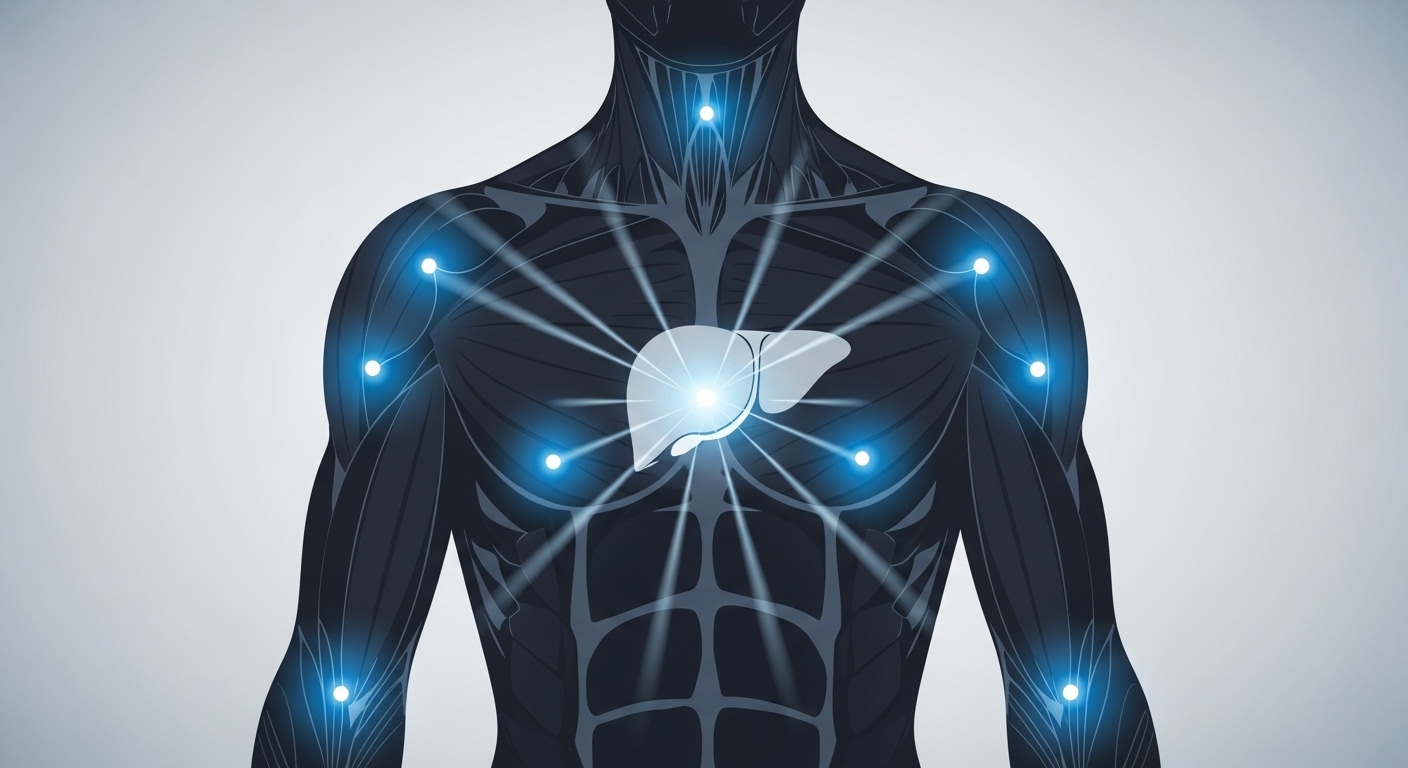
Muscle also functions as an endocrine organ by releasing myokines during contraction. These proteins travel through the bloodstream to communicate with organs such as the liver, brain, and adipose tissue. Myokines, such as interleukin-6 (IL-6) and irisin, help regulate inflammation and support cardiovascular health. This interaction shows that muscle health directly affects overall biological resilience, especially with ageing.

The Role of Mitochondrial Density
At the cellular level, a muscle's metabolic value comes from its high mitochondrial content. Mitochondria convert nutrients into ATP, the body's main energy source. Regular resistance or endurance exercise stimulates mitochondrial biogenesis, the creation of new mitochondria.
Increased mitochondrial density boosts the body's ability to burn fatty acids and glucose, a key sign of metabolic health. Sedentary behaviour reduces mitochondrial function, often leading to metabolic issues. Building muscle should focus on improving this internal energy-processing capacity, not just muscle size.
Practical Strategies for Supporting Lean Tissue
Building and maintaining muscle mass relies on two main factors: mechanical tension and proper nutrition. Muscle is costly for the body to maintain, so it needs a clear signal to preserve it. Resistance training provides this signal and does not require high-intensity bodybuilding. Any activity that challenges muscles against resistance, such as bodyweight exercises, resistance bands, or weightlifting, is effective.
To make resistance training even more approachable, start with a "tiny habit" routine: just two minutes of movement. For example, choose one exercise—like bodyweight squats or wall push-ups—and do one set of 10 repetitions. This quick routine can be done at home, requires no special equipment, and creates an immediate sense of accomplishment. Tiny reps lower the barrier, making it much easier to begin and build consistency over time.
Consistent resistance training promotes muscle protein synthesis. For most adults, two to three sessions per week are sufficient to support metabolic health. Emphasise compound movements that use multiple joints and muscle groups, such as squats, hinges, pushes, and pulls, to maximise metabolic benefits.
To make this approach personal, choose one signature compound movement to focus on mastering this week. For example, if you select the squat, pay attention to key form cues: keep your feet about shoulder-width apart, brace your core, and lower your hips back as if sitting into a chair, keeping your chest tall and knees tracking over your toes. By taking ownership of your chosen movement and practicing with intention, you'll build confidence and make steady progress. Personal selection boosts motivation and creates a sense of achievement as you become more skilled in your chosen exercise.
Nutritional Foundations for Muscle Maintenance
Adequate protein intake is essential for muscle maintenance. As we age, the body processes protein less efficiently, a phenomenon known as anabolic resistance. A practical guideline is to aim for a daily protein intake of 1.2 to 1.6 grams of protein per kilogram of body weight, based on current evidence and expert recommendations. Distributing protein intake throughout the day is more effective than consuming it all at once. Prioritising whole-food sources supports muscle repair and growth.
Hydration and sufficient micronutrient intake, especially magnesium and potassium, are vital for muscle function and recovery. Without these, the body may fatigue rather than adapt. Avoid extreme calorie restriction, as it can cause muscle loss and lower metabolic rate.
Common Misconceptions About Muscle and Metabolism
It's understandable why the idea that "muscle turns into fat" when exercise stops feels true. Many people notice that after a period of stopping a regular fitness routine, areas that were once firm may seem softer or less defined, which can be discouraging. The body might look and feel different, making it seem as though muscle is being replaced by fat. However, in reality, muscle and fat are entirely different tissues and cannot convert into each other. Without exercise, muscles may shrink, and if calorie intake stays high, fat may increase. This change in body composition can occur even if weight remains stable, sometimes resulting in "normal-weight obesity."
Another misconception is that building muscle leads to an "overly bulky" appearance. For most people, significant muscle gain is slow and requires intense training and excess calories. In reality, resistance training creates a firmer, stronger, and more capable body for the average adult. Think about everyday tasks: lifting a suitcase, carrying groceries, or playing with children all become easier and safer with greater muscular strength. By focusing on building practical strength and maintaining functional muscle, you gain confidence and independence in daily life. The emphasis is on muscle quality and what your body can do, not just its size or appearance.
Many believe cardiovascular exercise alone is enough for metabolic health. While activities like walking, cycling, and running benefit heart health and burn calories, they do not offer the same metabolic advantages as resistance training. Resistance training increases the body's metabolic capacity. Combining both forms of exercise, known as concurrent training, is most effective for long-term health.
To make this strategy simple, here is a practical weekly example: aim for two short resistance training sessions and two cardio sessions each week. For instance, you might perform resistance exercises such as bodyweight squats or push-ups on Monday and Thursday, and do brisk walks, bike rides, or swimming on Tuesday and Saturday. This sample split makes concurrent training easy to plan and sustain, helping you get the best of both worlds for your metabolic health.
Risks, Limitations, and Realistic Expectations
Focusing on muscle as a metabolic marker is valuable, but expectations should be realistic. Improvements in muscle quality and metabolism take months or years, not weeks. Rapid changes are often unsustainable and can lead to injury or burnout. Gradual, consistent progress is more effective and sustainable.
Physical risks must also be considered. Poor form or progressing too quickly with heavy weights can cause injuries. Prioritise movement quality over weight. Beginners or those with health conditions should start gradually. Consulting a qualified fitness professional ensures exercises are safe and appropriate. Before attempting heavier loads, consider jotting down one question you would ask a trainer about proper technique or injury prevention. Making this small commitment to yourself helps develop a proactive mindset for safety and reinforces responsible, sustainable progress.
Furthermore, it is essential to acknowledge that genetics and age play a role in how easily one builds muscle. While everyone can improve their metabolic health through resistance, the rate of progress will vary. Expecting to mirror the results of a professional athlete or a younger individual can lead to frustration. The most important metric is personal progress—comparing one's current strength and energy levels to their own past performance, rather than an external ideal.
Monitoring Your Progress: CGMs and Private Metabolic Testing
To track how your muscle mass affects your insulin sensitivity, you can use modern tools. Continuous Glucose Monitors (CGMs), which were once reserved for diabetics, are now widely used by wellness-focused individuals to see in real-time how their body processes glucose. Purchasing a CGM or utilizing private metabolic lab testing services (like checking HbA1c, fasting insulin, and lipid panels through companies like InsideTracker or WellnessFX) provides concrete data. By monitoring your glucose response after a meal, you can see how resistance training and increased lean muscle mass immediately improve your body's ability to clear sugar from your blood.
The Intersection of Muscle and Long-Term Vitality
As we look toward the future of preventive health, the emphasis on muscle mass is likely to grow. Maintaining lean tissue is one of the most effective ways to preserve independence and functional capacity as the years pass. Muscle strength is closely tied to balance and bone density, which are critical factors in preventing falls and fractures in later life. By viewing muscle as a "longevity currency," we shift the focus from how we look in the short term to how we will function in the decades to come.
This perspective transforms the way we approach food and exercise. Exercise becomes a way to support metabolism, not a punishment. Food, especially protein and nutrients, is seen as fuel for a healthy metabolism. This mindset encourages sustainable, positive lifestyle habits focused on nourishment rather than restriction.
In summary, using muscle as a primary metabolic marker provides a more accurate and empowering assessment of health. Focusing on muscle quality supports energy management, stress resistance, and vitality. Muscle mass tells a fuller story of metabolic resilience than the scale. Prioritising strength and lean tissue is a long-term investment in health and capability.
If you are considering significant changes to your physical activity levels or diet, it is always appropriate to seek guidance from a healthcare provider or a certified specialist to ensure your plan aligns with your individual health needs.


