The Modern Challenge of Prenatal Nutrition
The old idea of "eating for two" misses the reality that pregnancy increases nutrient needs far more than calorie needs. In most healthy pregnancies, total energy needs rise only modestly in the second and third trimesters—roughly 300–450 additional calories per day—while requirements for nutrients like folate, iron, iodine, and choline increase substantially. Modern food environments, especially in Westernised settings, are rich in ultra-processed options that provide abundant calories but limited vitamins, minerals, and healthy fats.
For a contemporary expectant mother, this means the central challenge is not getting "enough food," but consistently choosing nutrient-rich foods that support fetal organ development, maternal physiology, and long-term metabolic health. Because pregnancy is a time-sensitive metabolic window, when you get certain nutrients can matter almost as much as how much you get. A quality-over-quantity mindset, paired with trimester-specific priorities, is the most efficient way to nourish both parent and baby.
To make it easier to get started, consider taking one small, proactive step today: review your current eating habits, and identify just one meal or snack where you could add a nutrient-dense food, like leafy greens, eggs, or fortified whole grains. If you are not already taking a prenatal vitamin, you might also discuss beginning one with your healthcare provider. Starting with these manageable actions can help you feel focused and empowered as you move forward.
First Trimester (Weeks 1–12): Laying the Blueprint
The first trimester is a phase of rapid cell division, organ formation, and neural tube closure. Although the body's caloric needs are typically similar to pre-pregnancy levels at this stage, micronutrient demands are already elevated. Many of the most crucial developmental processes happen before a person even realises they are pregnant, which is why preconception nutrition and early prenatal care matter.
Folate and Folic Acid: Neural Tube Protection
Folate is central to DNA synthesis and cell division, and is critical for neural tube closure, which forms the brain and spinal cord. Neural tube closure occurs in the first 3–4 weeks of pregnancy, often before pregnancy is recognised, making folate status in the months leading up to conception especially important.
Key points about folate and folic acid:
- Folate is the naturally occurring form found in foods like leafy greens, legumes, citrus, and avocado.
- Folic acid is the synthetic form used in supplements and fortified foods and is actually very well absorbed.
- Most guidelines recommend a daily supplement of folic acid (often 400–800 mcg) before conception and in early pregnancy, in addition to folate-rich foods.
Rather than viewing food folate and folic acid as competitors, it is more accurate to view them as complementary: dietary folate improves overall diet quality, while a folic acid–containing prenatal ensures consistent baseline coverage for neural tube defect prevention.
Choline: An Undervalued Brain Builder
Choline has emerged as another critical nutrient for early brain development, particularly for the hippocampus—the brain region involved in memory and learning. Many standard prenatal vitamins either do not contain choline or provide far less than the commonly recommended intake (~450 mg/day during pregnancy), underscoring the importance of dietary sources.
Rich choline sources include:
- Eggs (especially yolk)
- Lean meats and poultry
- Fish
- Dairy products
For those following vegetarian or vegan diets, choline can still be obtained from foods such as soybeans, tofu, quinoa, and certain nuts and seeds. Still, it often requires more deliberate planning, and some people may benefit from a separate choline supplement after discussing it with their clinician. To help make it easier, here are a few simple meal ideas that emphasize choline-rich plant-based foods: scrambled tofu with spinach and whole grain toast for breakfast; quinoa and roasted chickpea salad with sunflower seeds for lunch; or a stir-fry with edamame, broccoli, and brown rice tossed in a tahini sauce. Adding roasted soy nuts or hummus as snacks, or blending silken tofu into smoothies, can also help boost choline intake effortlessly throughout the day.
Iodine and Thyroid Function
Iodine is easy to overlook but vital early in pregnancy, as it underpins thyroid hormone production, which in turn influences fetal brain and nervous system development. In many regions, iodised salt is the main source, but people who avoid added salt or use speciality salts (such as sea salt or Himalayan salt) may not get enough iodine. Including iodised salt in cooking (within sodium guidelines), dairy products, eggs, and seaweed (in moderate amounts) can help support iodine needs. When it comes to seaweed, moderation is important: while some varieties are excellent sources of iodine, consuming large amounts—such as multiple servings of kelp or dulse per week—can provide far more iodine than needed, which may disrupt thyroid function. As a general guideline, limiting seaweed intake to no more than one to two standard-sized servings per week can help avoid excessive iodine intake, though specific amounts can vary depending on the type of seaweed. Many health organisations recommend a prenatal that includes iodine, particularly where dietary intake is uncertain.
Managing Nausea, Vomiting, and Blood Sugar
First-trimester nausea and vomiting—often called "morning sickness," though it can strike at any time of day—likely arise from a mix of hormonal shifts (like rising hCG and estrogen), heightened smell sensitivity, and gastrointestinal changes. Blood sugar swings can aggravate nausea and fatigue, but they are rarely the sole cause.
Practical strategies include:
- Eating small, frequent meals rather than three large ones.
- Choosing complex carbohydrates (oats, whole grains, beans) and pairing them with lean protein or healthy fats to stabilise blood sugar.
- Keeping bland, dry snacks (like crackers) on hand for the early morning.
- Using ginger in food or teas and including vitamin B6–rich foods like bananas, chickpeas, and potatoes. Some people benefit from B6 supplements when recommended by their clinician.
The goal is to sustain adequate nutrient intake despite nausea, even if that means relying on a narrower set of foods for a time and making up for variety later in pregnancy.
Second Trimester (Weeks 13–26): Growth and Expansion
By the second trimester, energy levels often improve, appetite may normalise, and pregnancy usually feels more "stable." Under the surface, however, this is a highly active phase: the fetus is now growing rapidly, and maternal blood volume expands significantly to support the placenta and baby. Nutrient demands, especially for iron, protein, and certain minerals, become more pronounced.
Iron: Fueling the Expanding Blood Supply
During pregnancy, total blood volume can increase by around 40–50%, and the recommended daily intake of iron rises from about 18 mg in non-pregnant adults to 27 mg. Iron is crucial for the production of haemoglobin (the protein in red blood cells that carries oxygen), supporting fetal growth, and maintaining maternal energy. Insufficient iron can contribute to anaemia, fatigue, and increased risk of preterm birth and low birth weight.
Iron comes in two forms:
- Heme iron: found in animal foods such as red meat, poultry, and some fish; more readily absorbed.
- Non-heme iron: found in plant foods such as lentils, beans, spinach, pumpkin seeds, and fortified grains; less efficiently absorbed.
To optimise non-heme iron absorption:
- Pair plant-based iron sources with vitamin C–rich foods (e.g., lentils with tomatoes or bell peppers, spinach with citrus drizzle).
- Avoid drinking large amounts of coffee or tea with iron-rich meals, as polyphenols can inhibit absorption.
- Many pregnant individuals will require an iron-containing prenatal; those with anaemia may need additional prescribed iron.
Calcium and Vitamin D: Building the Skeleton
As fetal bones begin to mineralise, calcium needs remain around 1,000 mg per day for most adults. Still, the body's prioritisation of fetal needs means that if dietary calcium is insufficient, it will draw from the mother's bone stores. Over time, this can affect maternal bone health.
Good calcium sources include:
- Dairy products (milk, yoghurt, cheese)
- Fortified plant milks (soy, almond, oat)
- Low-oxalate greens like kale and bok choy
- Calcium-set tofu and some fortified juices
Vitamin D acts like a gatekeeper for calcium absorption and bone health. If vitamin D status is low, increasing calcium intake alone will not be enough. While some foods (fatty fish, fortified dairy and plant milks, egg yolks) provide vitamin D, many people require supplementation to maintain healthy levels, especially if they have limited sun exposure or darker skin. A prenatal vitamin often includes vitamin D, but individual needs may be higher and should be guided by lab testing when possible.
Metabolic Health and Gestational Diabetes
In the second half of pregnancy, natural hormonal shifts make the body more insulin-resistant. This is a normal adaptation intended to prioritise glucose delivery to the fetus, but in some individuals, it progresses to gestational diabetes (GDM). While genetics and other risk factors play a large role, diet and movement remain important tools for managing blood sugar.
Foundational strategies include:
- Emphasising whole grains (oats, brown rice, whole wheat, millet, quinoa) over refined grains and sugars.
- Including fibre-rich foods (25–30 g per day) from fruits, vegetables, legumes, and whole grains to support blood sugar stability and bowel regularity.
- Distributing carbohydrate intake evenly across meals and snacks rather than "saving" carbs for one large meal.
- Incorporating regular physical activity as approved by a healthcare provider.
For those diagnosed with GDM or carrying multiples, individualised medical nutrition therapy, blood glucose monitoring, and closer medical follow-up are essential. General healthy-eating advice is helpful, but it does not replace a tailored plan. If you have been diagnosed with gestational diabetes or are carrying multiples, ask your healthcare provider for a referral to a registered dietitian or diabetes educator. These specialists can work with you to develop a personalised nutrition strategy that fits your specific needs and supports the healthiest possible pregnancy outcome.
Third Trimester (Weeks 27–40): Final Growth and Preparation
The third trimester is a period of maximal fetal weight gain, rapid brain and nervous system development, and preparation of maternal tissues for labour and postpartum recovery. At the same time, the expanding uterus can reduce stomach capacity, making it harder to eat large meals. This makes nutrient-dense, well-timed meals and snacks especially important.
Omega-3 DHA: Wiring the Brain and Eyes
Docosahexaenoic acid (DHA), an omega-3 fatty acid, is a structural component of brain and retina. In late pregnancy, the fetus accumulates DHA rapidly as the brain undergoes a growth spurt. Adequate DHA intake is associated with better visual and cognitive development markers in children, and in some studies, may also support maternal mood.
Recommended approaches include:
- Eating low-mercury, fatty fish such as salmon, sardines, anchovies, herring, or trout about two times per week.
- Avoiding high-mercury fish like swordfish, king mackerel, shark, and certain large tuna species.
- For those who avoid fish, using an algae-based DHA supplement, which provides DHA directly without the mercury concerns associated with large predatory fish.
Many prenatal supplements now include some DHA, but frequently not enough to match intakes seen in studies of optimal brain development. Combining dietary sources with supplementation (under professional guidance) is often the most practical approach.
Protein: Supporting Tissue Growth and Repair
Protein is the raw material for building fetal tissues, placenta, maternal blood proteins, and growing breast and uterine tissue. Pregnancy increases protein needs, particularly in the second and third trimesters. A commonly cited target is an additional ~25 g of protein per day compared with non-pregnant needs, though exact amounts vary by body size and activity level.
Examples of high-protein foods that fit well into late pregnancy:
- Greek yoghurt or skyr
- Eggs
- Lean poultry or fish
- Tofu and tempeh
- Lentils, chickpeas, and other legumes
- Nuts, seeds, and nut butters (also helpful for extra calories in small volumes)
For those experiencing heartburn or early fullness, combining moderate portions of protein throughout the day (rather than one large protein-heavy meal) can be more tolerable.
Hydration, Electrolytes, and Oedema
Blood volume remains high in the third trimester, and amniotic fluid continues to be renewed. Swelling in the lower legs, ankles, and hands (oedema) is common due to increased blood volume and compression of pelvic veins. Paradoxically, restricting fluids often worsens swelling.
Supportive strategies include:
- Drinking enough water to keep urine pale yellow, adjusting for climate, activity, and body size.
- Using electrolyte-containing foods like fruits (watermelon, oranges), vegetables, and occasional coconut water to maintain sodium, potassium, and magnesium balance.
- Avoiding excessive sodium from highly processed foods, while not over-restricting salt to the point of discomfort or dizziness.
- Changing positions regularly, elevating feet when possible, and using compression garments if recommended.
Sudden or severe swelling, especially with headaches or vision changes, warrants immediate medical evaluation to rule out conditions like preeclampsia.
Common Pitfalls and Safety Considerations
Even highly motivated parents-to-be can be tripped up by everyday products and well-meaning but outdated advice. Being aware of the most common pitfalls helps you build a safer, more intentional prenatal eating plan.
The "Eating for Two" Trap
Excessive gestational weight gain is linked to increased risks of cesarean birth, hypertensive disorders, macrosomia, and later-life obesity/metabolic issues in the child. Rather than doubling intake, most people need only a modest calorie increase focused on nutrient-dense foods. Appropriate weight gain varies by pre-pregnancy BMI and other factors; your healthcare provider can help you determine a range that is healthy for you. The central principle is to prioritise the quality of calories (what foods provide them) over sheer quantity.
Mercury and Environmental Toxins
Fish is an excellent source of protein, iodine, selenium, and omega-3 fats, but some species contain high levels of mercury, which can affect fetal neurological development. General guidance includes:
- Favouring low-mercury fish (salmon, sardines, trout, herring, anchovies).
- Avoiding high-mercury fish such as swordfish, tilefish from the Gulf of Mexico, shark, king mackerel, and certain large tuna species.
- Paying attention to local fish advisories if you eat locally caught fish.
Food Safety and Infection Risk
Pregnancy shifts the immune system in ways that allow tolerance of the fetus but can increase susceptibility to certain infections. Some pathogens—like Listeria monocytogenes and Toxoplasma gondii—are more likely to cause severe complications during pregnancy. General food safety guidelines include:
- Avoiding unpasteurised milk, cheese, and juices.
- Skiping raw or undercooked meats, eggs, and seafood (including sushi with raw fish and lightly cooked shellfish).
- Being cautious with deli meats and hot dogs unless they are reheated until steaming hot.
- Avoiding raw sprouts unless thoroughly cooked.
- Practising excellent kitchen hygiene: washing hands, separating raw and ready-to-eat foods, cooking to safe internal temperatures, and refrigerating leftovers promptly.
Caffeine and Alcohol
Caffeine crosses the placenta, and the fetus metabolises it more slowly than adults do. Most expert groups consider moderate caffeine intake—typically defined as up to 200 mg per day, roughly equivalent to one 12-ounce cup of brewed coffee—to be compatible with healthy pregnancy outcomes for most people. Those who are very sensitive to caffeine or have specific pregnancy complications may be advised to reduce further.
Alcohol, by contrast, has no known safe level in pregnancy, and prenatal alcohol exposure is associated with a spectrum of physical, behavioural, and cognitive effects in children. The most conservative and widely endorsed recommendation is to avoid alcohol entirely during pregnancy and when trying to conceive.
Prenatal Supplements: Filling Strategic Gaps
A well-chosen prenatal supplement is not a replacement for a nutrient-dense diet, but a safety net that helps cover predictable gaps. A typical prenatal may include:
- Folic acid (or methylfolate)
- Iron
- Iodine
- Vitamin D
- Vitamin B12 and other B vitamins
- Calcium (though often not in full daily amounts)
- Sometimes DHA or other omega-3s
However, many prenatals underdeliver on key nutrients like choline and, sometimes, DHA. For this reason, individualised supplement plans—developed with an OB/GYN, midwife, or registered dietitian—often include:
- A standard prenatal multivitamin-mineral
- Additional vitamin D if blood levels are low
- Separate choline or DHA supplements when indicated
- Tailored iron doses for those with anaemia or at high risk
Anyone carrying multiples, following a vegetarian or vegan diet, or managing conditions like celiac disease, bariatric surgery, inflammatory bowel disease, diabetes, or thyroid disorders should seek specialised guidance, as their nutritional needs may differ significantly from general recommendations.
Evidence-Based Meal Examples by Trimester
Translating science into simple, realistic meals makes daily decisions easier. Think of each meal as an opportunity to check off several nutrient priorities at once.
First Trimester Breakfast
Example: Whole-grain wrap with two scrambled eggs, a handful of sautéed spinach, and sliced avocado.
Why it works:
- Eggs provide high-quality protein and choline.
- Spinach contributes folate, iron, and vitamin C when paired with other veggies or citrus.
- Whole grains support steady blood sugar.
- Avocado offers healthy monounsaturated fats to support hormone production and prolong satiety.
If you are experiencing nausea, you can break the same building blocks into smaller portions (for example, try eating half a wrap now and half later, or have eggs with toast and a small side of avocado).
Second Trimester Lunch
Example: Large spinach or mixed-greens salad topped with grilled salmon, chickpeas, cherry tomatoes, cucumber, and a lemon-tahini dressing.
Why it works:
- Salmon provides protein, DHA, and vitamin D.
- Spinach and chickpeas add iron and folate.
- Lemon juice and tomatoes provide vitamin C, enhancing non-heme iron absorption from plant foods.
- Tahini contributes calcium, healthy fats, and additional protein.
For vegetarian variations, grilled tofu or tempeh can replace the salmon, with an algae-based DHA supplement taken separately.
Third Trimester Dinner
Example: Quinoa stir-fry with tofu, broccoli, carrots, and cashews in a light ginger–garlic sauce.
Why it works:
- Quinoa and tofu together provide complete plant-based protein.
- Broccoli contributes vitamin C, fibre, and some calcium.
- Cashews add magnesium, which supports muscle relaxation and may help with cramps, plus healthy fats and extra calories in a small volume.
- Ginger can support digestive comfort.
Expectant mothers can adjust portion sizes to accommodate decreased stomach capacity, using leftovers for next-day lunches or snacks.
Beyond the Plate: Building a Foundation for Lifelong Health
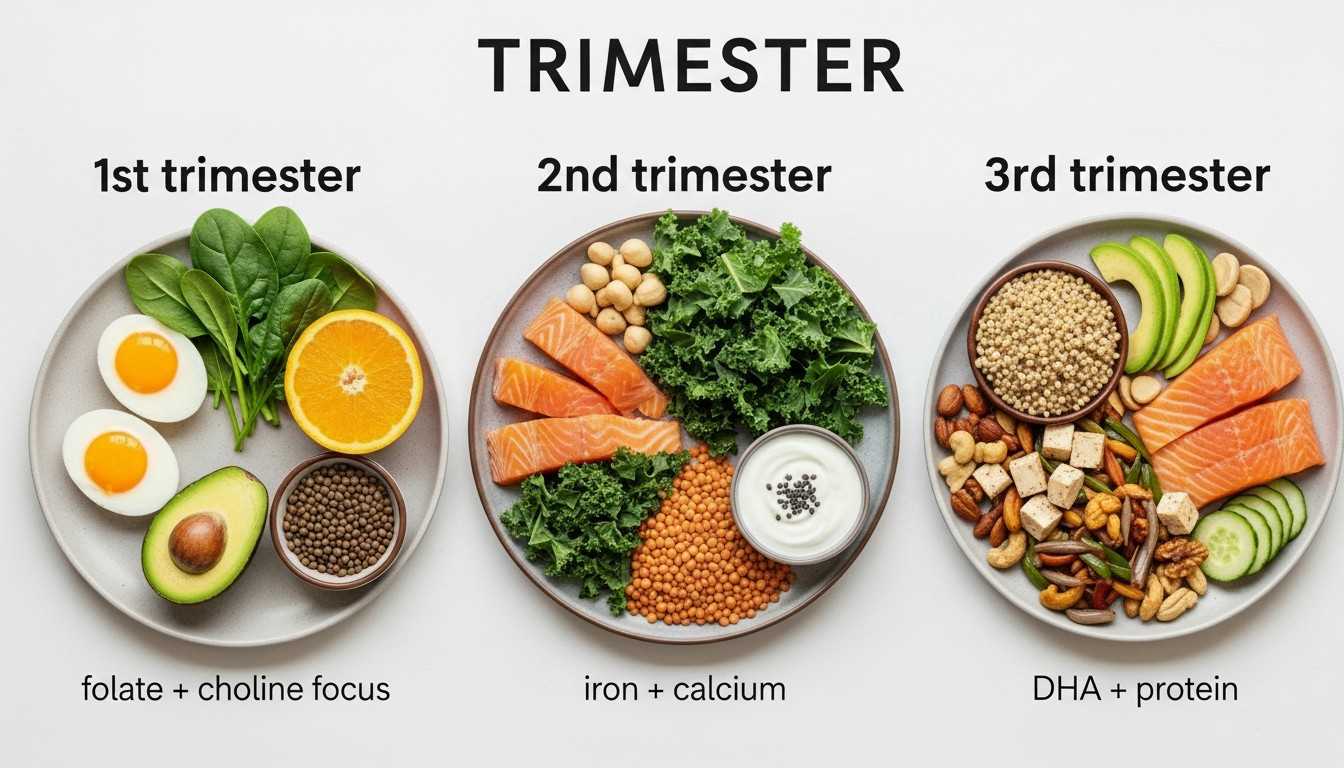
Nutrition during pregnancy is the first act of parenting and an investment in both immediate and long-term health. By moving beyond the oversimplified "eating for two" narrative and focusing instead on trimester-specific nutrient priorities—folate and choline early on, iron and calcium in the middle, DHA and protein in the later months—you create a powerful environment for optimal fetal development and maternal resilience.
These evidence-informed guidelines provide a strong blueprint, but every pregnancy is unique. Pre-existing health conditions, cultural food patterns, access to certain foods, and personal preferences all shape what is realistic and sustainable. Partnering with an OB/GYN, midwife, or registered dietitian can help tailor these principles to your specific situation, especially if you are managing gestational diabetes, carrying multiples, following a vegetarian or vegan diet, or have other medical complexities.
Thoughtful, proactive choices made now not only support a healthier pregnancy and smoother postpartum recovery but may also influence your child's metabolic health, neurodevelopment, and relationship with food for years to come.


